Political Polarization and Tragedy: The Aftermath of Charlie Kirk's Fatal Shooting
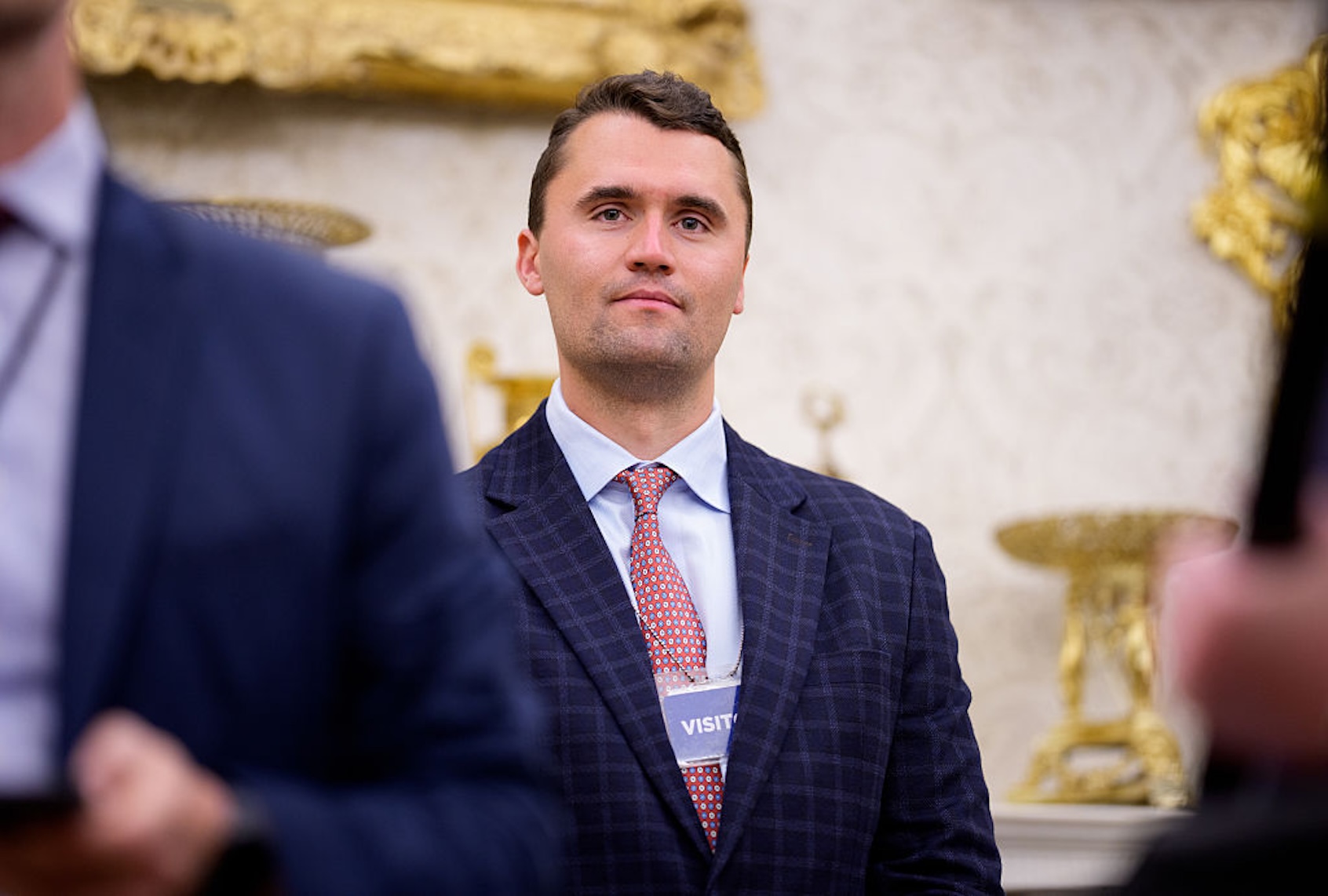
A tragic incident occurred on Wednesday when Charlie Kirk, a prominent right-wing political activist, was fatally shot while speaking at Utah Valley University. The news of his death spread quickly, prompting a wave of reactions from various political figures and media outlets. Many sought to honor Kirk's legacy, with calls for statues and memorials in his honor, while others used the incident to push their political agendas further to the right.
The aftermath of Kirk's death saw a flurry of responses from Republican politicians and conservative media personalities, blaming the left for the rise in political violence. Calls for accountability and action against left-wing groups were made, with some even suggesting that Muslims were somehow involved in the shooting. The narrative of blaming the left gained traction, despite statements from Democrats condemning the violence.
Reports linking the alleged gunman to transgender and antifascist ideologies added fuel to the fire, with right-wing influencers seizing on the narrative to push for crackdowns on "leftist" organizations. The administration appeared to be receptive to these calls, with President Trump deflecting responsibility and pointing fingers at the left as the source of the problem. The rhetoric escalated, with calls for action against perceived threats from the left gaining momentum.
As the political landscape became increasingly polarized in the wake of Kirk's death, the focus shifted towards addressing the underlying issues that led to such violence. The administration's response and the narratives surrounding the incident raised concerns about the use of tragedy to further political agendas. The need for healing and unity was overshadowed by divisive rhetoric and calls for crackdowns on ideological opponents.
In conclusion, the tragic death of Charlie Kirk has sparked a contentious debate about the state of American politics and the role of extremism in society. The aftermath of the shooting highlighted the deep divisions within the political landscape and the challenges of addressing violence and radicalization. Moving forward, it is essential to seek common ground and promote dialogue to prevent further escalation of political tensions.