Malawi's Election Dilemma: Fuel Shortages, Economic Hardships, and Political Disillusionment
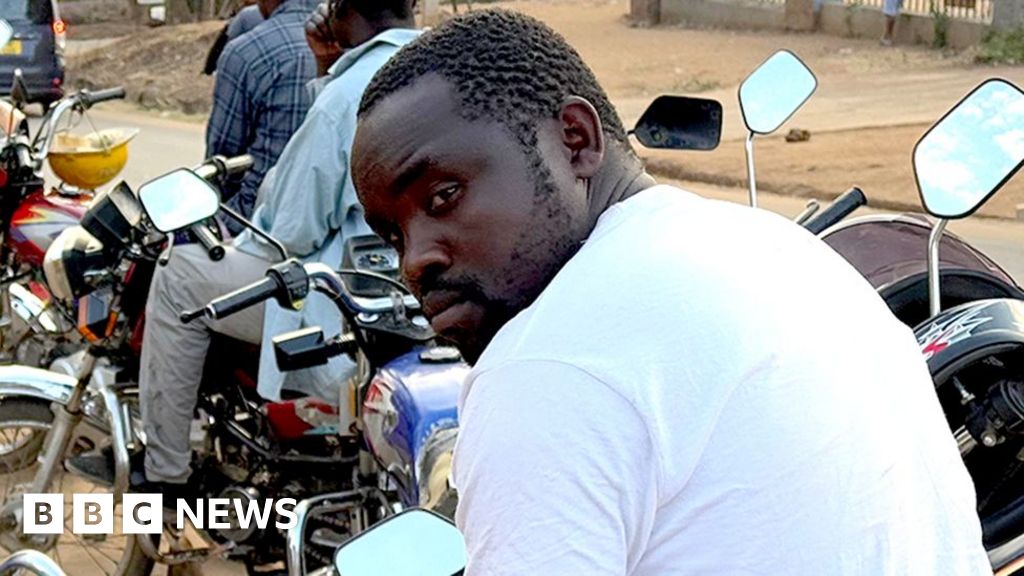
As Malawi's general election approaches, the focus is on the long queues for fuel rather than the queues to vote. The country is grappling with petrol shortages, power cuts, rising living costs, hunger, poverty, inequality, and youth unemployment, leading to widespread frustration among the population. The presidential, parliamentary, and local council candidates are campaigning against a backdrop of skepticism about the potential for real change. Despite the high stakes of the presidential race between incumbent Lazarus Chakwera and former President Peter Mutharika, the election campaign has been relatively subdued, with fewer giveaways and less flamboyant displays compared to previous elections.
The scarcity of fuel has exacerbated the challenges faced by Malawians, with long lines at petrol stations leading to tensions and occasional conflicts. President Chakwera has acknowledged the frustration caused by the fuel shortage and blamed corrupt officials for sabotaging the oil market. The lack of job opportunities has forced some young men to sell petrol and diesel at inflated prices, highlighting the economic hardships faced by many in the country. The high inflation rate, driven in part by a shortage of foreign currency, has further strained the finances of ordinary citizens, making it difficult to afford basic necessities.
The economic difficulties have a significant impact on young people, who make up a large portion of the electorate. Despite the challenges, many young voters feel disillusioned with the political process and express doubts about the ability of the candidates to bring about meaningful change. The leading presidential candidates, Chakwera and Mutharika, are significantly older than the majority of voters, raising concerns about generational representation and the priorities of the next government. As Malawians prepare to cast their votes, there is a sense of cautious optimism that the incoming leadership will address the pressing issues of poverty, unemployment, and economic instability.
The election campaign has focused on key issues such as access to fertiliser for rural farmers, job creation, and economic reform. Chakwera has pledged to support smallholder farmers by reducing the cost of fertiliser and implementing targeted programmes to benefit agricultural communities. Other candidates, including Joyce Banda, Atupele Muluzi, Dalitso Kabambe, and Michael Usi, have also promised transformative policies to uplift the country from its current challenges. With a diverse range of candidates offering different visions for Malawi's future, voters are hopeful that the next leader will prioritize the needs of the people and work towards improving their quality of life.
As Malawians head to the polls, the outcome of the election will determine the country's trajectory in the coming years. The winner will face the daunting task of addressing the economic hardships, social inequalities, and political disillusionment that have plagued the nation. Regardless of the election results, the people of Malawi are looking for a leader who can deliver on their promises, put food on the table, and ensure a brighter future for the country. For more news and updates on the African continent, visit BBCAfrica.com and follow us on social media for the latest developments.