South Korean Workers Detained in U.S. Immigration Raid Return Home: Impact on Business Ties and Future Investments
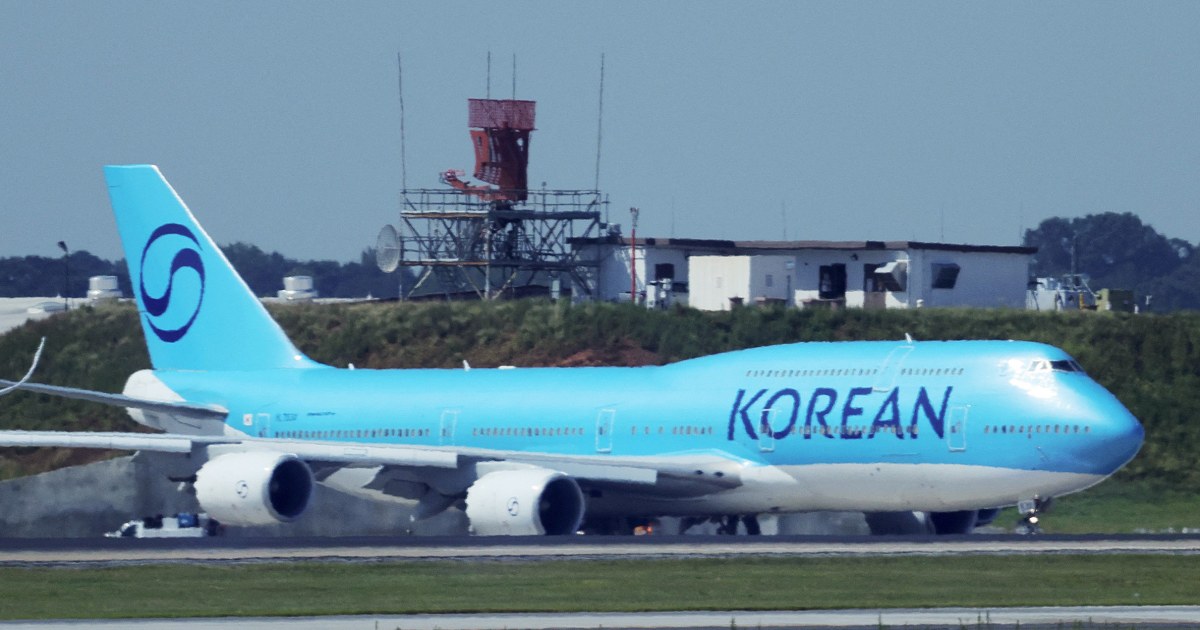
After a U.S. immigration raid on a Hyundai facility in Georgia, more than 300 South Korean workers were detained and have now returned to Seoul. The workers, along with employees from other South Korean companies, arrived in South Korea on a Korean Air plane. One worker chose to stay in the U.S. instead of returning home voluntarily. The workers were met with cameras and protesters upon their arrival at Incheon International Airport, where they were reunited with their families and taken home by buses.
The repatriation of the workers was delayed by President Donald Trump to discuss whether they should stay in the U.S. to work on setting up an electric vehicle battery plant. However, South Korean officials decided it was best for the workers to return home first. The workers were released from the ICE Processing Center in Georgia without physical restraints, meeting one of South Korea's main demands.
The construction of the battery plant, a joint project between Hyundai and LG Energy Solution, has been delayed by two to three months due to the detainment of the workers. LG Energy Solution apologized to the workers and their families and expressed gratitude for their release. The workers were in the U.S. on short-term visa programs commonly used for business trips, raising questions about the sudden crackdown by the Trump administration.
The incident has sparked concerns about the impact on business ties between South Korea and the U.S., as South Korea has pledged significant investments in the U.S. President Lee Jae Myung expressed worries that companies may be hesitant to invest in the U.S. in the future. Experts have highlighted the importance of foreign experts in setting up high-tech equipment, such as the battery plant, and the challenges American workers may face without proper training from these experts.
In conclusion, the return of the South Korean workers detained in the U.S. marks the end of a challenging ordeal that has strained relations between the two countries. The incident has raised questions about the treatment of foreign workers in the U.S. and the potential impact on business partnerships. The workers' safe return home is a relief for their families and the South Korean government, but the repercussions of the raid may have lasting effects on future investments and collaborations between the two nations.