Debating the Impact of Political Rhetoric on Violence: Lessons from the Charlie Kirk Shooting
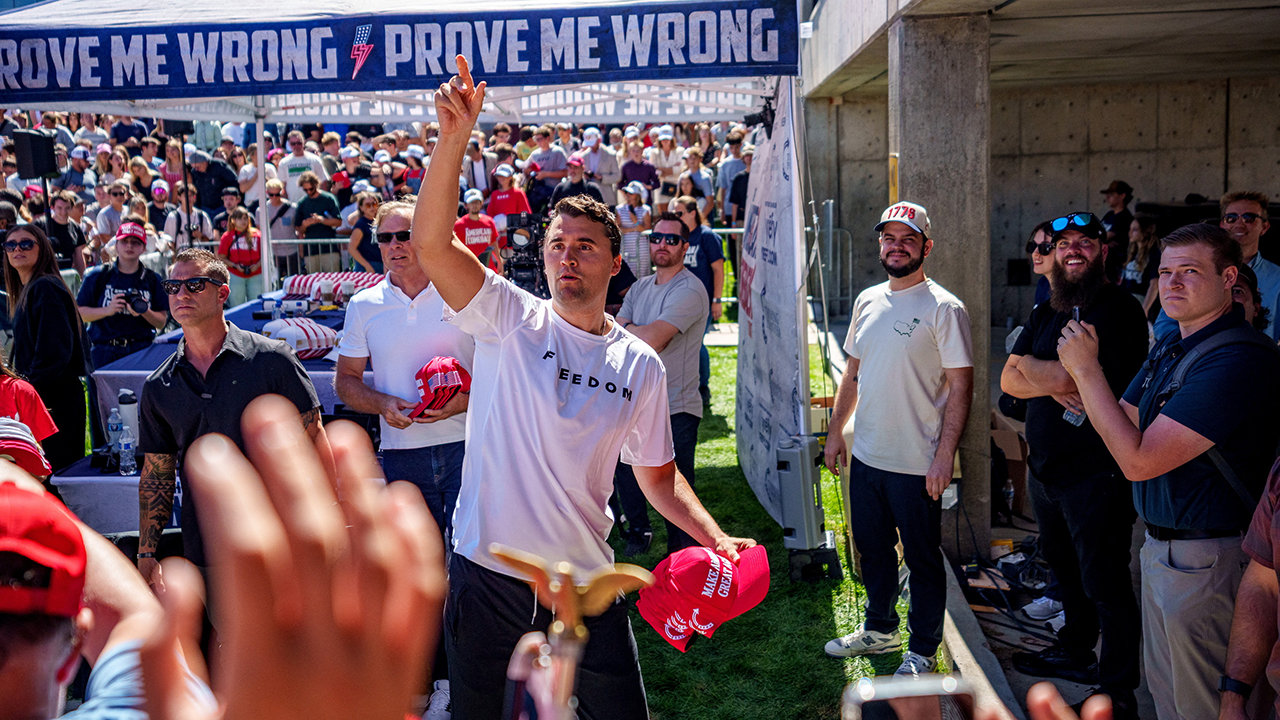
Lawmakers are currently debating the impact of heated rhetoric following the tragic shooting of conservative activist Charlie Kirk at Utah Valley University. This incident has once again brought to light the issue of political violence in the United States.
In recent years, political violence has been a recurring issue, with notable incidents such as assassination attempts against President Donald Trump and the killing of a Democratic state lawmaker in Minnesota. The death of Charlie Kirk has reignited discussions on the role of political rhetoric in fueling violence across the nation.
Both Democratic and Republican lawmakers are expressing concerns about the escalating political tensions and are calling for a collective effort to tone down the rhetoric. Representatives from both parties are emphasizing the need to address the divisive language that may contribute to acts of violence.
The tragic event at Utah Valley University has prompted Republican leaders to advocate for reducing the intensity of political discourse in Congress. They are emphasizing the importance of fostering a more respectful and constructive dialogue to prevent further incidents of violence.
Some lawmakers are drawing parallels between the current political climate and the turbulent era of the 1960s, which was marked by the assassinations of prominent figures like Dr. Martin Luther King Jr. and John F. Kennedy. The need for a message of love and non-violence is being highlighted as a potential solution to the current challenges.
Emotions are running high in the aftermath of the shooting, with concerns about the role of rhetoric in inciting violence. Lawmakers are reflecting on the impact of inflammatory language and its potential consequences, urging for a more civil and respectful discourse in political discussions.
Senator Bernie Moreno, who knew Charlie Kirk personally, emphasized the importance of promoting healthy debates and respecting differing viewpoints. He highlighted the need to uphold the principles of open dialogue and constructive engagement, rather than resorting to hostility and violence.
Former President Trump has also weighed in on the issue, attributing part of the blame to Democrats for their rhetoric. He criticized the radical elements on the left and emphasized the need for unity and mourning in the face of tragedy, rather than engaging in divisive finger-pointing.
In response to Trump's remarks, Senate Minority Leader Chuck Schumer emphasized the importance of coming together as a nation to mourn the loss and address the broader issue of violence. He called for a unified approach to tackling the root causes of political discord and promoting a culture of respect and understanding.
In conclusion, the tragic shooting of Charlie Kirk has sparked a renewed conversation about the impact of political rhetoric on violence in America. Lawmakers from both parties are calling for a more civil and respectful discourse to prevent further incidents of violence and promote unity in the face of adversity.