Navigating Inflation: The Federal Reserve's Dilemma and the Impact on Consumers
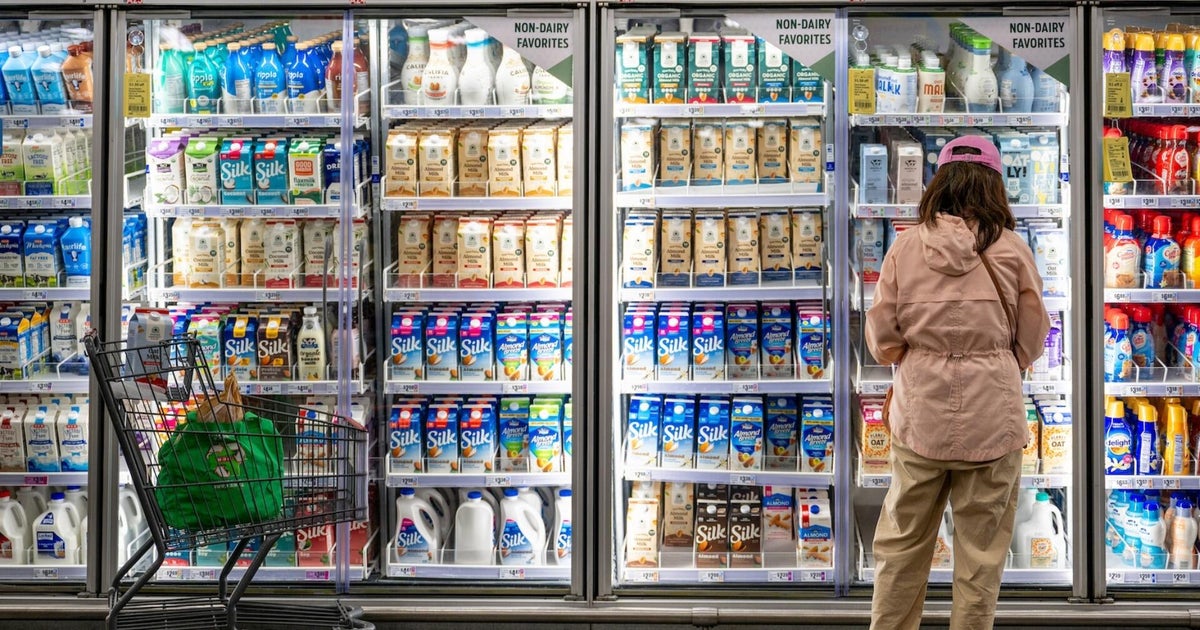
The latest data shows that the Consumer Price Index (CPI) increased by 2.9% in August compared to the previous year, in line with economists' expectations. The CPI measures the changes in prices of goods and services that consumers typically purchase, including items like food and clothing. Inflation has remained at 3% or below this year, with July's CPI at 2.7%. However, inflation has been gradually rising, moving away from the Federal Reserve's target of 2% annually. This trend has led to concerns among Americans about the economy, with a recent survey indicating that two-thirds of consumers believe prices have been on the rise.
Some economists attribute the increase in prices to the Trump administration's tariffs, which have led to higher costs for businesses that are then passed on to consumers. The Federal Reserve has refrained from cutting interest rates in 2025 due to fears that tariffs could fuel inflation. Lowering interest rates can stimulate spending by making borrowing cheaper for businesses and individuals, potentially adding to inflationary pressures. Despite this, Fed Chair Jerome Powell has hinted at the possibility of a rate cut at the central bank's upcoming meeting in September. Such a move could encourage hiring by reducing borrowing costs for businesses, making it easier for them to expand and hire more workers.
The Federal Reserve is tasked with maintaining full employment while keeping inflation under control, known as its "dual mandate." Economists are questioning whether the Fed has the credibility to not only lower interest rates in the short term but also to continue reducing them in the future without fueling inflation. The decision on interest rates will be closely watched as policymakers navigate the delicate balance between supporting economic growth and managing inflationary pressures.