Debate Over Military Intervention in American Cities: Balancing Federal Authority and Local Governance
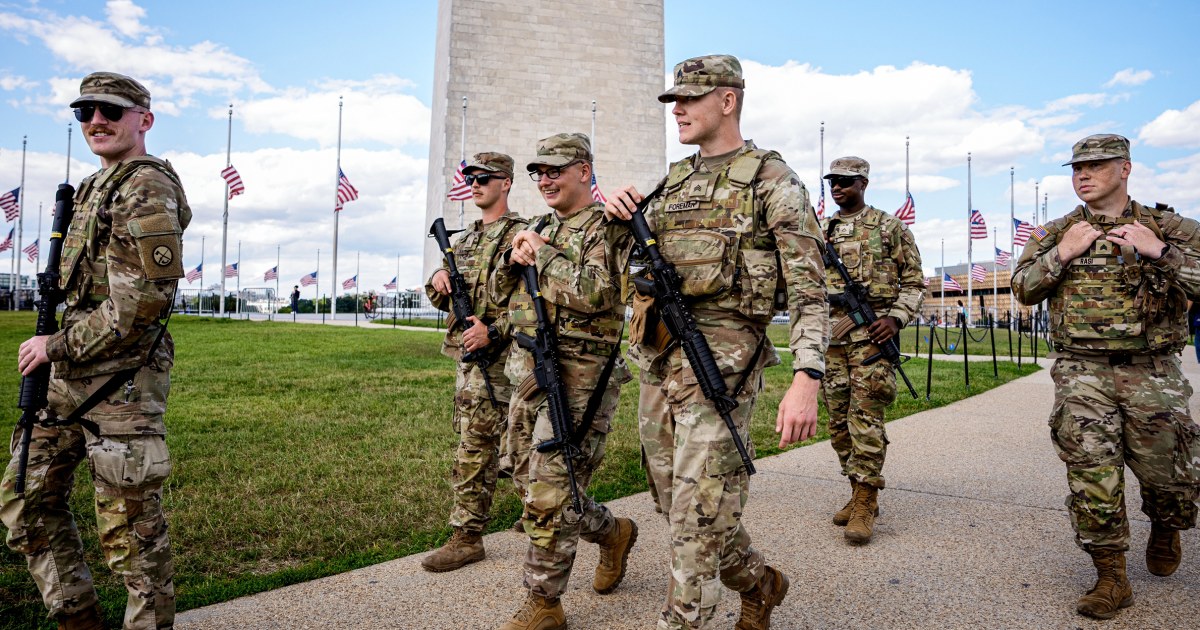
House Speaker Mike Johnson has urged Democratic mayors to stop resisting President Donald Trump's plans to send troops to their cities. He believes that allowing troops in would reduce crime and boost morale. However, this call for military intervention has raised concerns about the implications of such actions and the impact on the affected communities.
The idea of U.S. troops being welcomed as liberators in American cities echoes past statements made during the Iraq invasion. The notion that a military occupation would be embraced by the people raises questions about the values of freedom and democracy in the country. The push for military intervention in cities like Chicago has sparked a debate about the role of federal forces in addressing crime and public safety.
The suggestion that Democratic mayors should seek help from the federal government, including the White House, to address crime issues in their cities has been met with mixed reactions. While some argue that additional resources could be beneficial, others are wary of the implications of inviting federal intervention. The debate highlights the complex relationship between local and federal authorities in addressing public safety concerns.
The focus on crime rates in cities led by Democrats has raised concerns about political motivations behind calls for military intervention. The comparison between cities like Chicago and Shreveport, where a Republican mayor is in charge, underscores the need for a comprehensive approach to addressing crime. The debate over the role of political affiliations in addressing public safety challenges continues to be a contentious issue.
As the debate over military intervention in American cities continues, questions about the balance between federal authority and local governance remain unresolved. The concerns raised about the implications of deploying troops in urban areas highlight the need for a nuanced approach to addressing crime and public safety. The role of political affiliations in shaping responses to crime challenges underscores the complexity of the issue.
In conclusion, the debate over President Trump's plans to send troops to cities facing high crime rates has sparked a contentious discussion about the role of federal forces in addressing public safety. The calls for military intervention have raised concerns about the implications for local governance and the values of freedom and democracy. As the debate continues, finding a balanced approach to addressing crime challenges remains a key priority for policymakers and communities alike.