Government Funding Debate: Can Lawmakers Reach a Bipartisan Solution Before Shutdown Deadline?
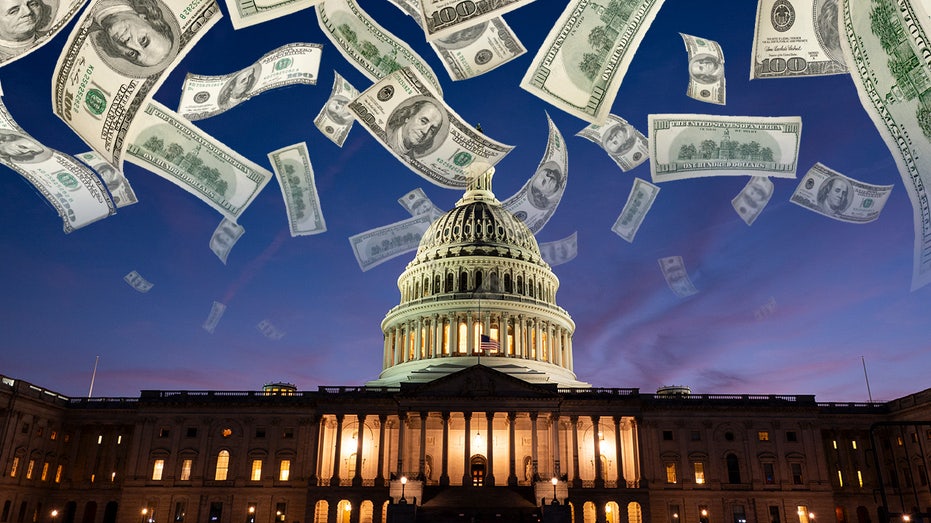
Lawmakers and the Trump administration are currently in discussions to prevent a federal funding lapse, but finding common ground is proving to be challenging. The debate on Capitol Hill is not just between Republicans and Democrats, as fiscal hawks are aligning with the White House to maintain current funding levels for federal agencies until January or beyond. However, Democrats and some Republicans are pushing for a shorter extension to allow more time for bipartisan negotiations on new funding totals for federal programs.
The upcoming government shutdown deadline on October 1 is looming, and the outcome may depend on Speaker Mike Johnson's willingness to pass a funding package supported by President Donald Trump but not Democrats. Senate Democrats are adamant about not being jammed into a corner like they were in the past and are urging Republicans to engage in negotiations to avoid a funding lapse. Democrats are hinting at potential concessions Republicans could make in exchange for bipartisan support, such as addressing health insurance subsidies before the end of the year.
While there are some bipartisan discussions happening behind the scenes, the prospects of reaching a funding deal are uncertain. Senate leaders have yet to engage in talks about the funding deadline, indicating that cross-party negotiations are still in the early stages. House hard-liners are pushing for a longer stopgap bill, while the White House is advocating for a clean continuing resolution to extend current funding levels, potentially leading to a government shutdown if an agreement is not reached.
The ongoing debate over government funding highlights the challenges of reaching a bipartisan consensus on funding levels and priorities. Both parties have concerns about the implications of a stopgap bill and are wary of locking in spending levels or compromising on key issues. As the deadline approaches, the pressure is mounting for lawmakers to find a solution that averts a government shutdown and addresses critical funding needs for federal programs.