U.S. Treasury Secretary Calls for European Collaboration on Russian Oil Sanctions and Tariffs
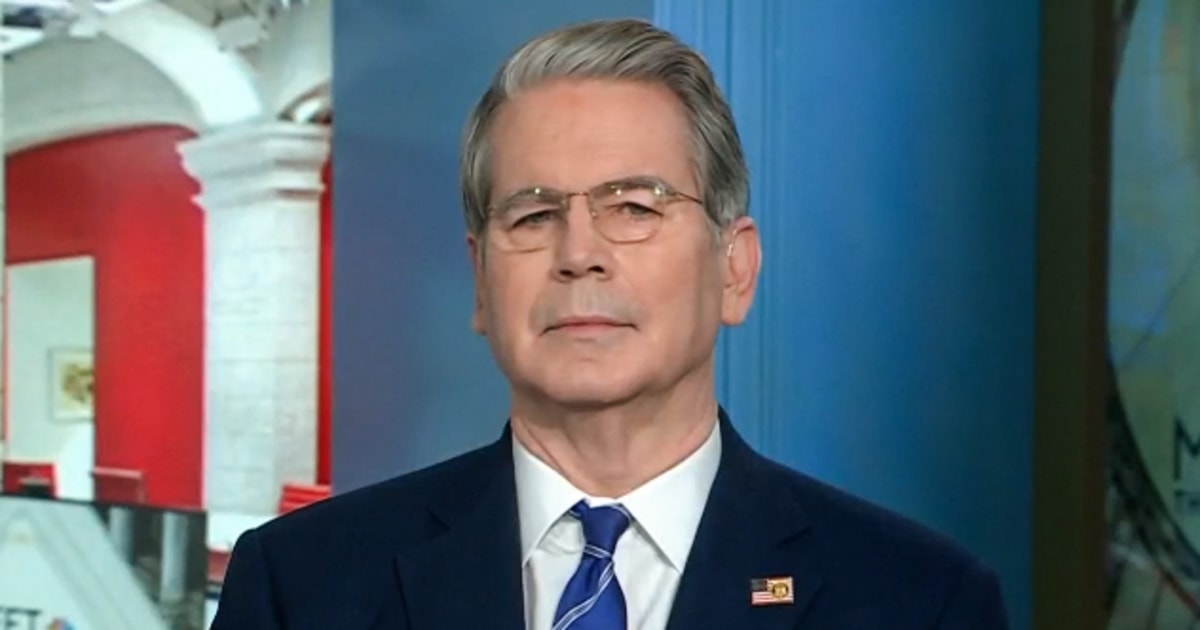
The U.S. Treasury Secretary, Scott Bessent, expressed willingness to collaborate with European nations to impose additional sanctions on countries purchasing Russian oil to weaken the Russian economy. Bessent emphasized the importance of European partners joining the U.S. in applying pressure on Russia through sanctions and secondary tariffs on Russian oil buyers to bring President Putin to the negotiating table. The recent escalation in the conflict between Russia and Ukraine has prompted discussions on increasing economic pressure on Russia to end the war.
Following the Trump administration's imposition of 50% tariffs on India for buying Russian oil, Bessent's remarks highlight the urgency of addressing the situation. The recent large-scale air attack by Russia in Kyiv underscores the severity of the conflict. Despite diplomatic efforts, talks of a ceasefire have stalled, and Russia continues its airstrikes on Ukraine. President Trump's engagement with Putin and Ukrainian President Zelenskyy, as well as European leaders, has not yielded significant progress in resolving the conflict.
Bessent also discussed the Trump administration's appeal to the Supreme Court to overturn a circuit court decision that challenged the president's authority to impose tariffs. While expressing confidence in winning the case, Bessent acknowledged the potential impact on Trump's negotiating position if the Supreme Court rules against the administration. The court's ruling emphasized that only Congress has the authority to impose broad tariffs, raising questions about the legality of Trump's tariff actions.
In the event of a Supreme Court ruling against the administration, Bessent acknowledged the possibility of issuing refunds for collected tariff revenue, which could have significant implications for the Treasury. Despite the potential challenges, Bessent defended Trump's tariff policies, arguing that tariffs do not burden the American people and citing economic indicators of success. The ongoing legal battle over tariffs underscores the complexities of trade policy and the need for a coordinated approach to address international trade disputes.
In conclusion, the escalating conflict between Russia and Ukraine has prompted discussions on increasing economic pressure on Russia through sanctions and tariffs. The legal challenges surrounding Trump's tariff policies highlight the importance of adhering to established trade regulations and the potential implications of unilateral tariff actions. The outcome of the Supreme Court case will have significant implications for U.S. trade policy and the administration's approach to addressing international trade disputes.