Navigating the Changing Landscape of History Education: The Impact of White House Review on Smithsonian Materials
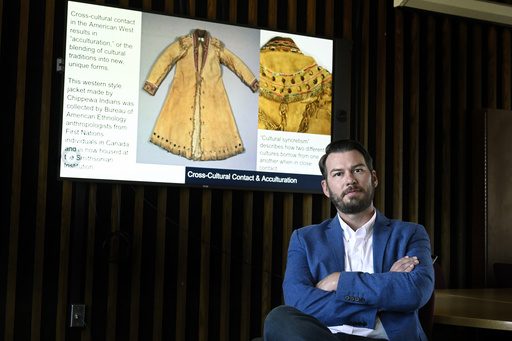
High school history teacher Katharina Matro relies on the Smithsonian Institution website for her lesson materials, particularly for discussions on topics like genocide and slavery. However, with the White House pushing for changes at the Smithsonian, she is concerned about the potential impact on the reliability of the materials she uses in her classroom.
President Donald Trump's review of the Smithsonian could have far-reaching implications for history education across the country. The White House aims to align the institution with its vision of American history, emphasizing the celebration of American exceptionalism and the removal of divisive or partisan narratives.
Critics of the proposed changes fear that they may lead to a sanitized version of American history, overlooking some of the nation's darker past. The recent launch of the White House's Founders Museum in partnership with PragerU, a conservative nonprofit, has raised concerns about the portrayal of historical figures and events.
Many history teachers, like Matro, rely on free resources from federal museums and institutions, including the Smithsonian, due to time and budget constraints. These materials are trusted for their accuracy and professionalism, providing valuable resources for educators across the country.
The Smithsonian has a long history of developing educational materials for classrooms, offering a wide range of resources from worksheets to videos. However, the White House review may impact the institution's ability to provide comprehensive and inclusive educational content, potentially limiting access to diverse perspectives on American history.
Despite the challenges posed by potential changes at the Smithsonian, educators are committed to finding resources and adapting their teaching methods to provide students with a well-rounded understanding of historical events. The role of teachers in navigating political and social issues in education remains crucial in shaping students' perspectives on history and society.
As the debate over historical narratives continues, educators like Michael Heiman in Alaska express concerns about the impact of potential changes on students, particularly those from underrepresented populations. The inclusivity and diversity of educational materials play a vital role in engaging students and fostering a deeper understanding of their cultural heritage.
The collaboration between academic institutions and federal museums, such as the partnership between the University of Massachusetts, Amherst, and the Smithsonian National Museum of American History, highlights the importance of connecting historical objects to significant events like the Americans with Disabilities Act. These initiatives provide valuable learning experiences for students and promote a deeper appreciation of history.
As educators and students navigate the evolving landscape of history education, the potential changes at the Smithsonian underscore the importance of preserving diverse perspectives and inclusive narratives in teaching materials. Despite the challenges ahead, educators remain committed to providing students with a comprehensive understanding of American history and its complexities.