Stephen King Predicts Cultural Backlash Against Trump: A Look at His Bold Statements and Future Projections
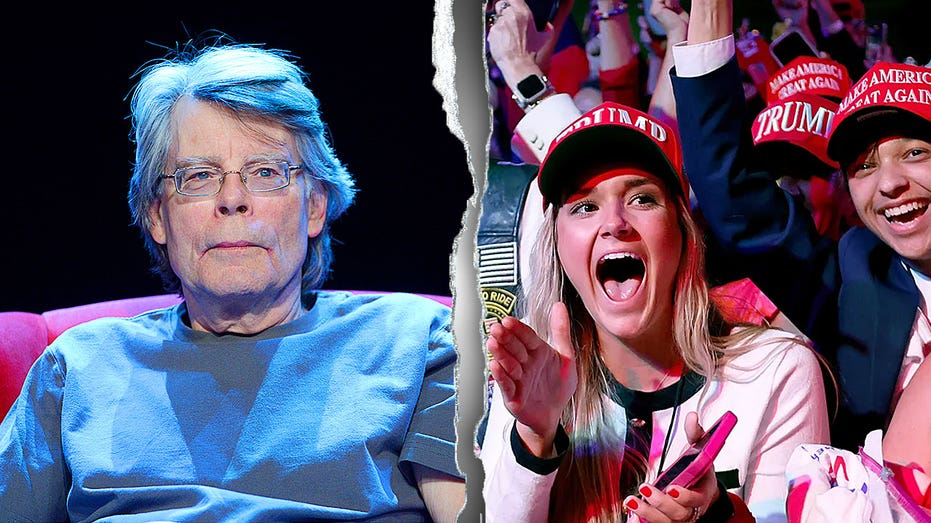
Renowned author Stephen King has made predictions about a potential cultural backlash against President Donald Trump in the future, suggesting that some of his supporters may deny ever voting for him. In an interview with The Sunday Times, King defended his vocal criticism of Trump on social media, stating that he felt compelled to speak out despite knowing that some of his fans may support the president. He emphasized the importance of taking a stand and choosing a side in the current political climate.
King speculated that history books in the future would portray Trump in a negative light, leading his supporters to distance themselves from him. Drawing parallels to a famous baseball home run, King suggested that many people would claim they never supported Trump years down the line. He also referenced his novel "The Dead Zone" as having eerily foreshadowed Trump's presidency, highlighting the surreal nature of current events.
Responding to criticism from the White House, King remained steadfast in his views, predicting a potential backlash against Trump in the upcoming election. He expressed confidence that Americans were becoming increasingly aware of the negative impact of Trump's policies and actions, suggesting a possible "blue wave" in the future. Despite facing backlash for his outspoken opinions, King has been a vocal critic of Trump and the Republican party, advocating for change and accountability in the political landscape.
As a prolific author and social commentator, Stephen King continues to use his platform to address pressing issues and engage with his audience on matters of politics and culture. His unwavering stance against Trump and his administration reflects a broader trend of public figures speaking out against perceived injustices and advocating for change in society. King's bold statements and predictions serve as a reminder of the power of storytelling and social commentary in shaping public discourse and influencing political outcomes.