South Korean Nationals Detained in US Immigration Raid at Hyundai-LG Battery Plant in Georgia
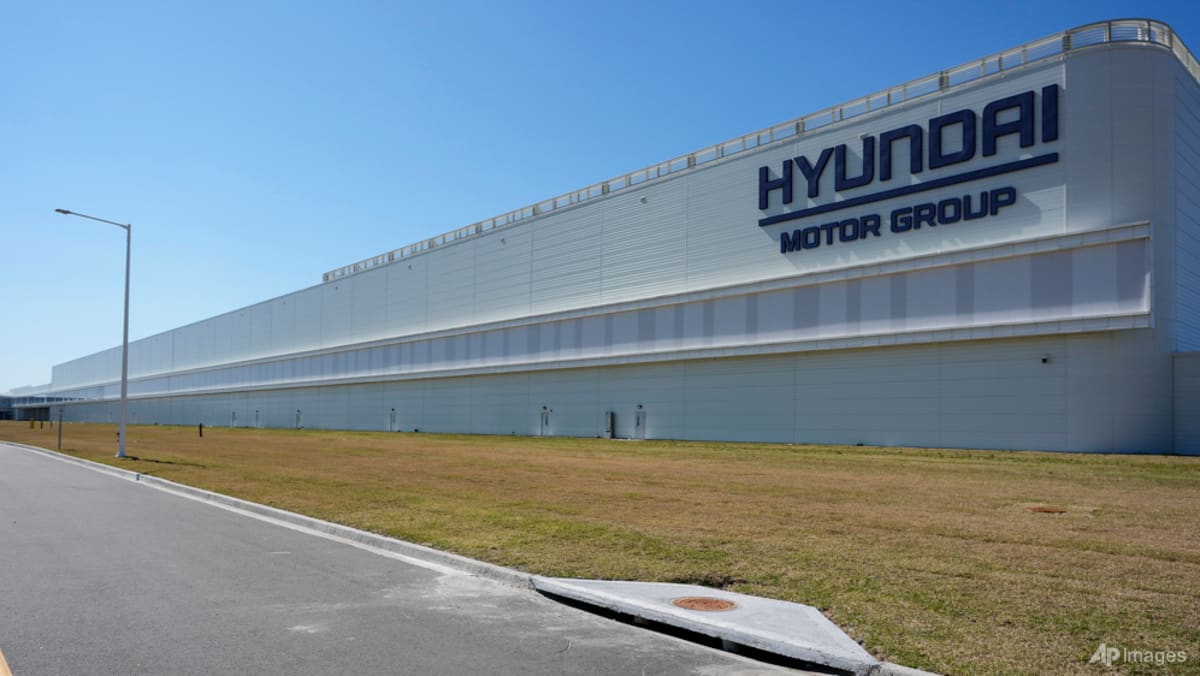
A significant number of South Koreans were among the 475 individuals apprehended by US immigration authorities during a raid at a Hyundai-LG battery plant under construction in Georgia. The operation, described as the largest single-site raid under President Trump's anti-migrant campaign, was part of a criminal investigation into alleged unlawful employment practices at the joint venture plant in Ellabell. The arrested individuals, deemed to be illegally present and working unlawfully in the US, have been handed over to Immigration and Customs Enforcement (ICE) for potential removal.
South Korea's foreign minister expressed deep concern over the situation, emphasizing the need to protect the rights of its citizens involved in economic activities in the US. The plant targeted in the raid is set to produce batteries for electric vehicles, with some detainees having crossed the border illegally, violated visa terms, or overstayed their work permits. The operation aimed to safeguard job opportunities for Americans, ensure fair competition for law-abiding businesses, and prevent worker exploitation.
South Korea, a major player in the automotive and electronics industries, has made substantial investments in US manufacturing facilities to access the American market and mitigate tariff risks. President Trump's focus on revitalizing domestic manufacturing and enforcing immigration laws has led to heightened scrutiny on undocumented migrants in the country. Hyundai, the company overseeing the Georgia plant, stated that it is closely monitoring the situation and seeking clarity on the circumstances surrounding the raid.
In light of the recent developments, South Korea has urged the US to uphold the rights of its nationals and respect the investments made by Korean companies in American ventures. The incident underscores the complexities of immigration enforcement and the challenges faced by foreign workers in navigating visa regulations and employment laws. As the situation unfolds, both countries are expected to engage in discussions to address the implications of the raid and ensure the protection of legal rights and interests for all parties involved.