Shifting Alliances: The Evolution of American Foreign Policy in the Trump Era
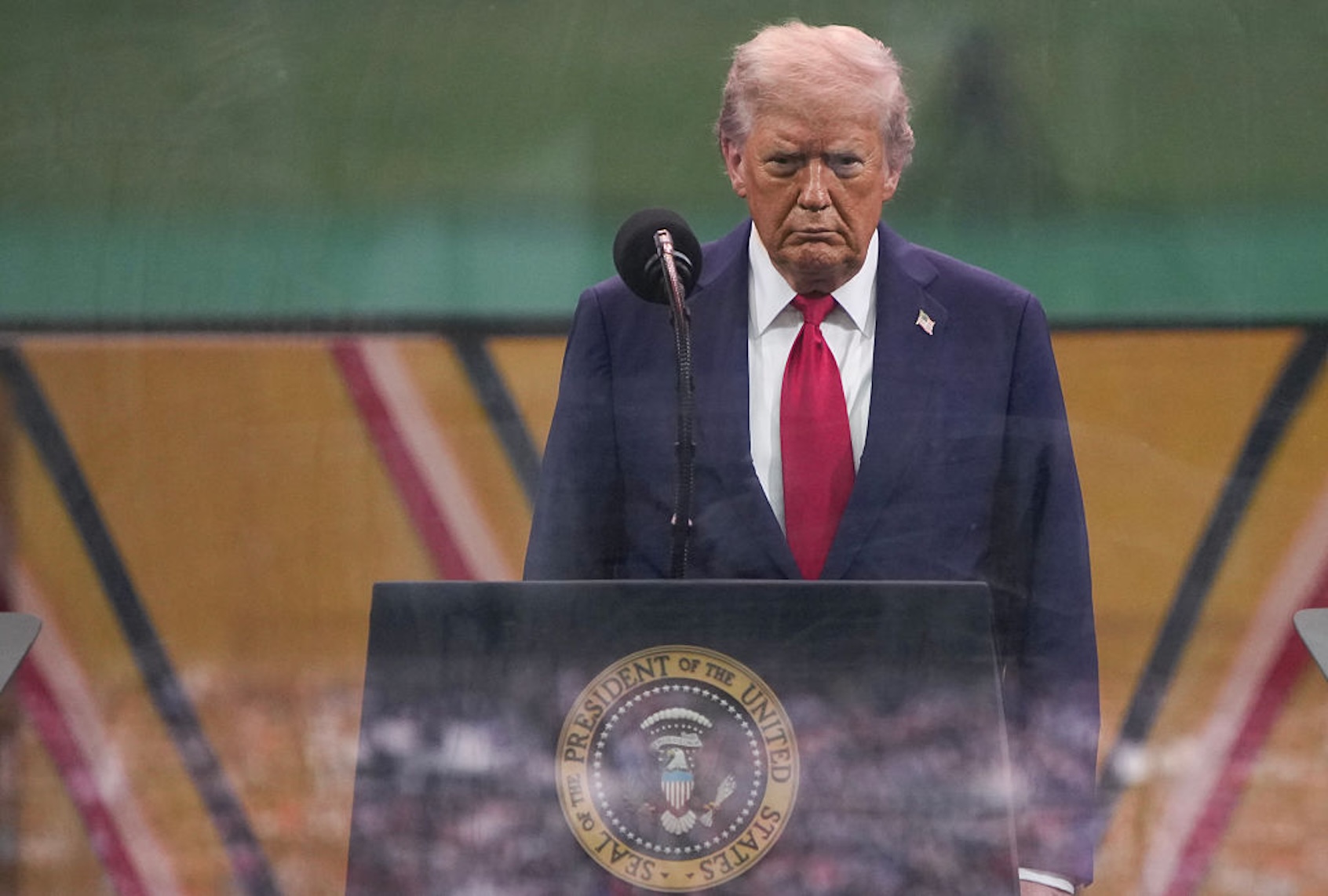
In the current political landscape, the traditional notion of bipartisan unity in American foreign policy has been replaced by a more personalized approach under the leadership of Donald Trump. Trump's belief in his own ideology, Trumpism, and "Make America Great Again" (MAGA) has shifted the focus away from American exceptionalism and traditional alliances. This shift towards personalist rule, characteristic of autocratic regimes, has raised concerns about the erosion of democratic principles and governance in the United States. Despite consolidating power domestically, Trump faces challenges internationally from leaders with their own strong personalities and national interests.
Historian Matthew Dallek highlighted the changing dynamics of international relations, emphasizing the decline of the post-World War II order and America's diminishing reliability on the global stage. Trump's recent interactions with autocratic leaders like Russian President Vladimir Putin and European counterparts have underscored his affinity for strongmen and his struggles to garner respect or achieve tangible results. The Shanghai Cooperation Organization's exclusion of Trump from its recent meeting in China further exemplifies the limitations of his influence in a world where authoritarian alliances are gaining momentum.
Former U.S. Ambassador to Russia Michael McFaul drew parallels between the current geopolitical landscape and the Cold War era, noting the polarization between autocracies and democracies. While autocratic leaders like Xi Jinping and Putin are forging stronger alliances, Trump's administration has shown little interest in uniting the democratic world. The weakening of American military alliances and international economic institutions under Trump's leadership has raised concerns about the erosion of democratic values and the promotion of autocratic regimes.
Despite speculation about a potential realignment in global alliances, experts like Paul Poast caution against drawing premature conclusions. India's strategic flexibility and Trump's evolving understanding of his international influence suggest a complex and dynamic geopolitical landscape. While Trump may recognize the limits of his power, his competitive stance towards China and Russia underscores the shifting dynamics of international relations. The United States' diminishing influence on the world stage reflects a broader trend of internal challenges and a lack of cohesive foreign policy strategy.
The erosion of American prestige and power on the global stage is exacerbated by Trump's unilateral approach to foreign policy and the complicity of Congressional Republicans in enabling his actions. The disregard for traditional alliances and the pursuit of self-serving interests have contributed to a decline in U.S. leadership and credibility internationally. The lack of accountability within the GOP and the prioritization of partisan interests over national security concerns further exacerbate the challenges facing American foreign policy.
As the United States navigates a changing global landscape, the need for informed and engaged citizens becomes increasingly critical. The erosion of traditional alliances and the rise of authoritarian alliances underscore the importance of understanding foreign policy and global affairs. By dispelling the myth of American exceptionalism and promoting a more nuanced understanding of international relations, the public can better navigate the complexities of a rapidly evolving geopolitical environment.