Legal Battle Over Trump's National Guard Deployment in California: Implications and Challenges
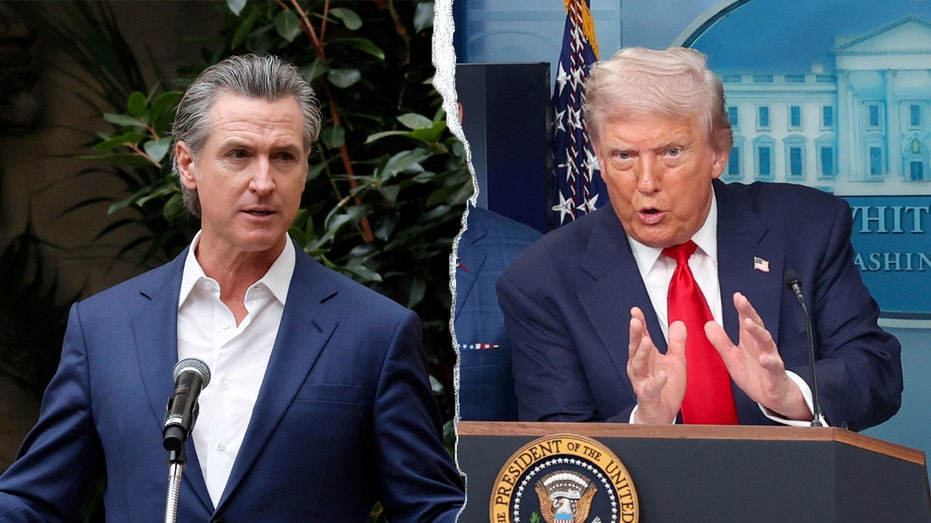
A recent ruling by Judge Charles Breyer found President Donald Trump's deployment of the National Guard and Marines to address protests in California to be unlawful. The judge questioned the limits on presidential use of the military for domestic purposes during the trial. Despite objections from California Governor Gavin Newsom, Trump federalized about 4,000 National Guard members to support immigration raids in the state.
Following the trial, where attorneys argued that the presence of 300 National Guard members in California was significant, Judge Breyer determined that Trump's actions violated the Posse Comitatus Act, which restricts the military from engaging in domestic law enforcement. The case could have broader implications as the Trump administration deploys National Guard members in other cities to address street crime.
While the ruling may not have immediate effects in California, the administration is likely to appeal the decision, potentially involving the U.S. Court of Appeals for the Ninth Circuit and the Supreme Court. Major General Scott Sherman testified that soldiers were trained to comply with the Posse Comitatus Act, which the Trump administration argued was not applicable in this case.
The Ninth Circuit previously halted an emergency order by Judge Breyer that directed Trump to return control of the National Guard to Governor Newsom. The appellate court emphasized the need for deference to the president's decisions regarding National Guard deployment. The ongoing legal battle may lead to further review of Trump's use of the military in California.
In conclusion, the ruling against Trump's deployment of the National Guard in California highlights the legal challenges surrounding the president's authority to use the military for domestic purposes. The case may have broader implications and could lead to further legal proceedings at higher court levels.