Debunking the Controversial Report: Examining the Trump Administration's Stance on Climate Change
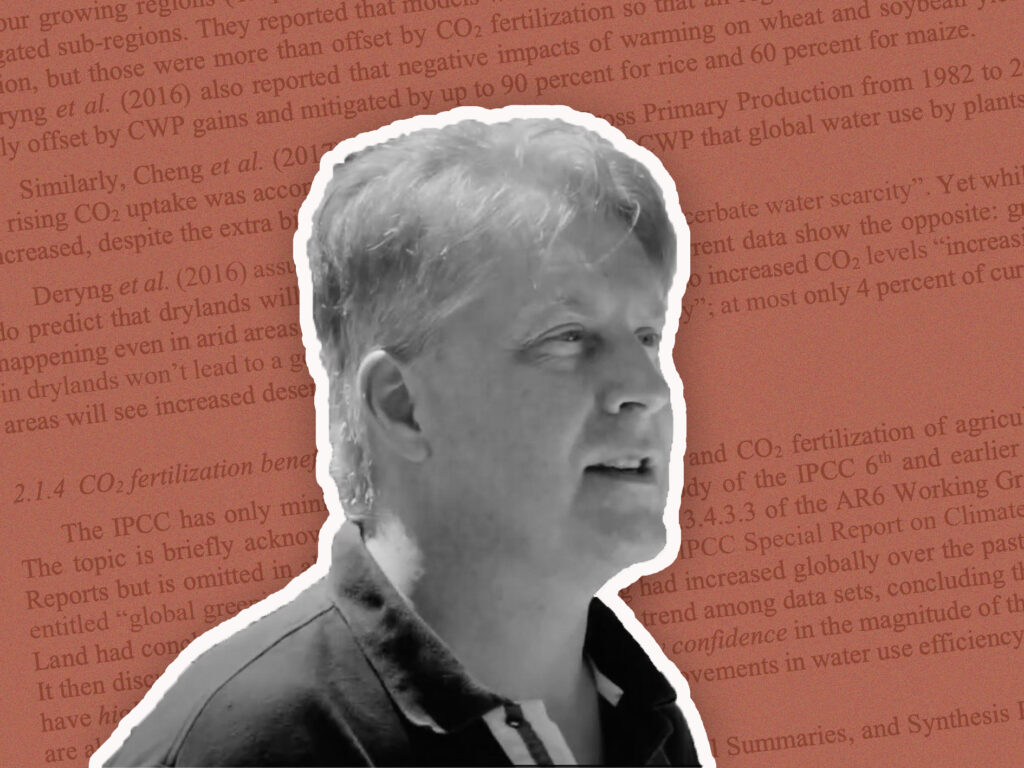
A recent report by the U.S. Department of Energy challenges the notion that humans are the main cause of climate change, leading the Trump administration to consider relaxing regulations on the oil and gas industry. The report, authored by Ross McKitrick, an economics professor from Canada, argues that greenhouse gas emissions could have positive effects on humanity. This controversial stance has raised concerns among Canadian climate scientists who view it as a dangerous denial of established climate science.
The report, titled "A Critical Review of Impacts of Greenhouse Gas Emissions on the U.S. Climate," has been criticized for cherry-picking data and downplaying the risks of human-induced climate change. It questions the attribution of climate change to human activities and suggests that increased carbon dioxide levels could benefit plant growth. However, these claims have been debunked by experts who point out the negative impacts of climate change on agriculture, such as droughts and extreme weather events.
Despite the backlash, the Department of Energy has opened the report for public review, allowing critics to voice their concerns. Energy Secretary Chris Wright has acknowledged some errors in the report but emphasized the need for further review and revision. McKitrick, a frequent contributor to the Fraser Institute and a vocal critic of climate activists, defends his involvement in the report as an opportunity to spark debate on energy and climate issues.
The inclusion of McKitrick in the report highlights the scarcity of experts who deny the scientific consensus on climate change. The other authors, all American scientists with a history of challenging mainstream climate science, were assembled by Energy Secretary Wright to provide an alternative perspective on climate change. This move has sparked a lawsuit by environmental groups against the Trump administration for attempting to undermine accepted climate science.
The Trump administration's reliance on the report to roll back regulations on greenhouse gas emissions has raised concerns about the future of climate policy in the United States. The proposed repeal of the endangerment finding, which recognizes greenhouse gases as pollutants, could have far-reaching implications for environmental regulations and the transition to electric vehicles. In Canada, there is a similar push to relax federal targets for electric vehicle adoption, mirroring the actions of the Trump administration.
Despite these challenges, climate scientists and advocates urge policymakers to look beyond the U.S. and consider the global shift towards renewable energy and electric vehicles. While the Trump administration may be scaling back environmental regulations, other countries are moving towards a cleaner and more sustainable future. It is essential for Canada to stay committed to its climate goals and not be swayed by the regressive policies of its southern neighbor.