Trump's Tariff Turn: Embracing McKinley's Legacy for America's Future
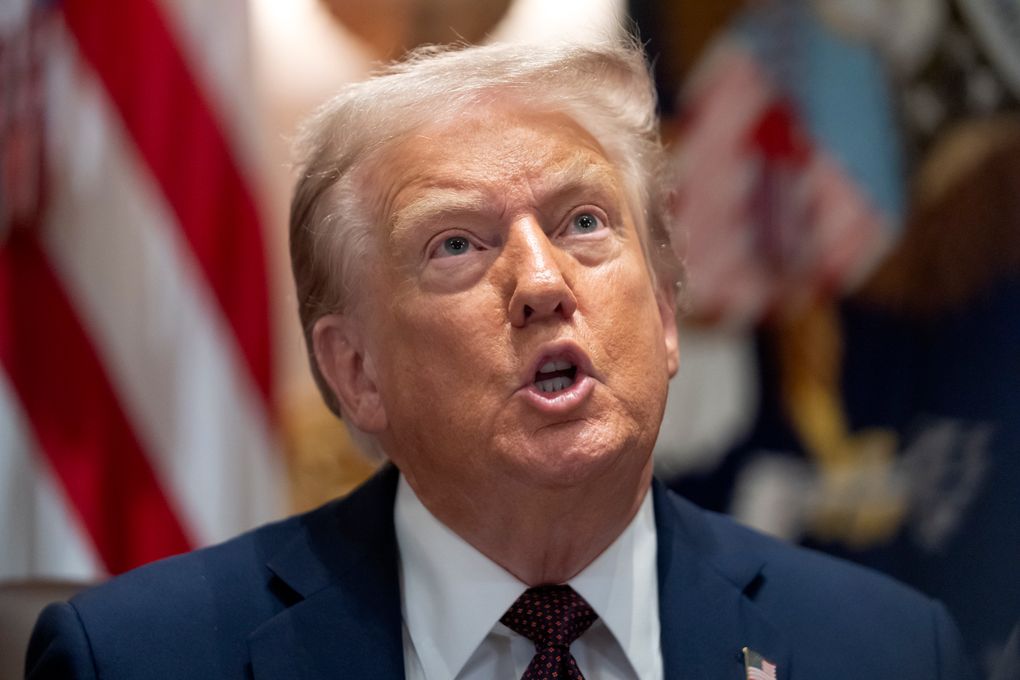
The current U.S. President, Donald Trump, has shifted his admiration from Andrew Jackson to William McKinley. This change reflects Trump's evolving mindset and priorities as he enters his second term in office. McKinley, known for his support of American expansionism and tariffs, aligns more closely with Trump's current political agenda. Trump's focus on tariffs and his efforts to reshape trade policies have led him to embrace McKinley's legacy and policies.
Trump's admiration for McKinley is evident in his actions, such as restoring the name of Mount McKinley and emphasizing the importance of tariffs in boosting the country's wealth. While Trump's first term targeted elites and embraced a Jacksonian working-class uprising, his second term sees him leaning into tariffs as a tool to benefit working-class Americans. Trump's administration views this shift as a continuation of his commitment to prioritizing the interests of ordinary Americans over special interests.
Despite his newfound appreciation for McKinley, Trump's Jacksonian impulses are still present in his policies. He continues to challenge the status quo and shake up Washington by slashing the federal workforce and appointing loyalists to key positions. Trump's focus on tariffs as a means to protect American interests and renegotiate trade deals reflects his desire to put the U.S. first in the global economic landscape.
While Trump's embrace of tariffs may seem like a departure from his first-term policies, it aligns with his goal of reshaping the economic system to benefit American workers. By channeling McKinley's tariffs agenda, Trump aims to deliver on his promises to the American people. Despite historical precedents and criticisms, Trump remains steadfast in his belief that tariffs are essential for protecting American assets and interests.
In conclusion, Trump's shift from admiring Jackson to embracing McKinley reflects his evolving political priorities and strategies. By championing tariffs and reshaping trade policies, Trump aims to position the U.S. as a leader in the global economy. While his approach may face criticism and challenges, Trump remains committed to his vision of putting American interests first and delivering on his promises to the working-class population.