Trump's Tariff Threat: Implications for the Pharmaceutical Industry and Consumers
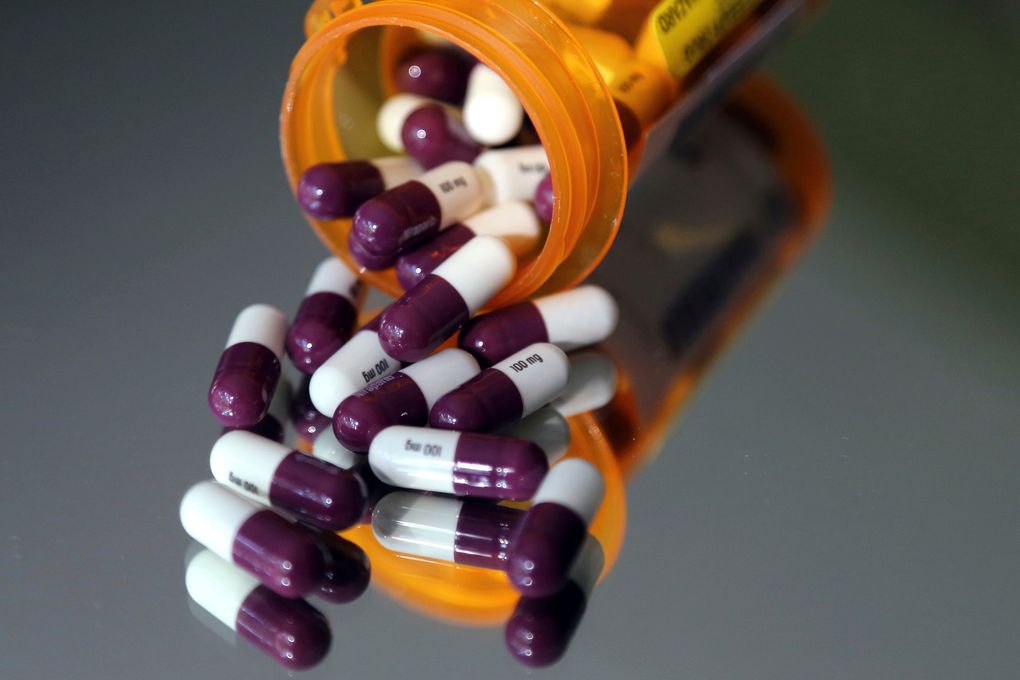
President Donald Trump has been implementing tariffs on products from various countries, including autos, steel, and aluminum. He has now set his sights on imposing import taxes on pharmaceuticals, a sector that has largely been exempt from his trade war. Trump's plans include imposing hefty tariffs on drugs made outside the United States, with the potential for tariffs as high as 200%. This move could have significant implications for the pharmaceutical industry and consumers, potentially leading to higher drug prices and supply chain disruptions.
The threat of pharmaceutical tariffs comes at a time when Trump is also pressuring drugmakers to lower prices in the United States. While the tariffs may not take effect for another year or more, companies are already taking steps to mitigate the impact by stockpiling medicine and shifting manufacturing to the U.S. Some analysts believe that the actual tariff rate may end up being lower than 200% and could include exemptions for certain products like generic drugs. However, even a modest tariff could lead to gradual price increases for U.S. consumers as stockpiles diminish.
In recent years, many drugmakers have moved their operations overseas to take advantage of lower costs and tax incentives. This has contributed to a significant trade deficit in pharmaceutical products for the United States. The COVID-19 pandemic highlighted the risks of relying on foreign suppliers for essential medical supplies, prompting the administration to investigate the national security implications of drug imports. Trump's ultimate goal is to bring pharmaceutical manufacturing back to the U.S., with the hope of reducing reliance on foreign countries and protecting domestic supply chains.
While some drugmakers have already committed to investing in expanding their U.S. operations, building pharmaceutical factories in the U.S. can be a costly and time-consuming process. Additionally, many drugs contain active ingredients that are manufactured abroad, making it challenging to avoid tariffs on imported ingredients. The potential impact of tariffs on generic drug manufacturers, who operate on thinner profit margins, could lead to disruptions in the U.S. market, where generics play a significant role in providing affordable medications.
In conclusion, President Trump's plans to impose tariffs on pharmaceuticals could have far-reaching consequences for the industry and consumers. While the goal of bringing drug manufacturing back to the U.S. may have merit, the implementation of tariffs raises concerns about potential price increases, supply chain disruptions, and the impact on generic drug manufacturers. The pharmaceutical sector faces a period of uncertainty as companies navigate the evolving trade landscape and consider their options for mitigating the effects of the proposed tariffs.