The Impact of No-Cash Bail Policies on Urban Policing in Chicago
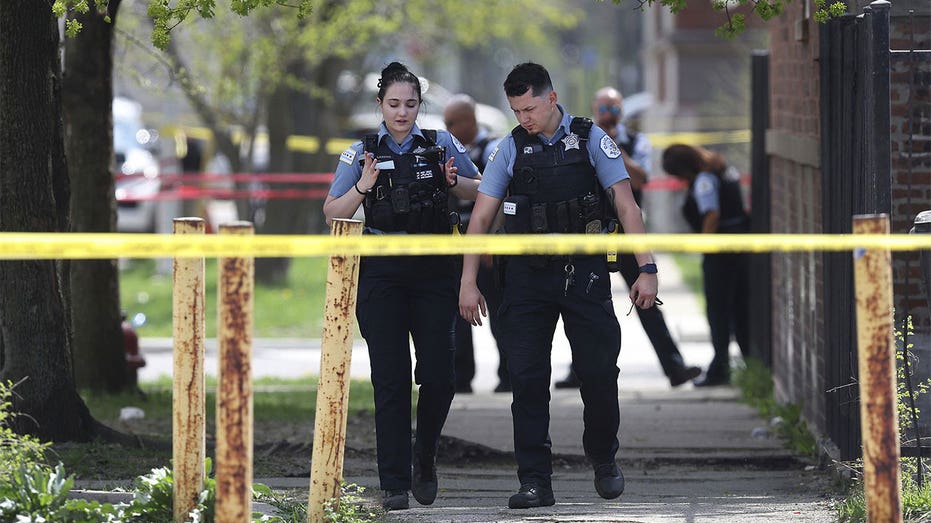
Chicago's former chief detective criticized the impact of no-cash bail policies on urban policing efforts following President Donald Trump's executive order banning the practice. Trump highlighted the negative consequences of no-cash bail, particularly in cities like Chicago. Eugene Roy, a former Chicago police officer, expressed concerns about the city's shift towards no-cash bail policies, which he believes have led to dangerous outcomes for crime victims and communities. The implementation of the SAFE-T Act in Illinois in 2023 eliminated cash bail, resulting in cases where violent offenders were released back onto the streets. One such case involved Diashun Dixson, who allegedly attacked individuals and was released under the new law, only to commit another violent crime shortly after. Roy emphasized that criminals are exploiting the no-cash bail system, putting the public at risk. Another case involved Quijuan Waters, who was out on bail for a shooting when he allegedly committed another violent crime. Progressive bail policies in Chicago, such as the "affordable bail" program, have allowed violent suspects to walk free before trial, leading to tragic incidents like the gang-related shooting homicide committed by Fabian Diaz. The no-cash bail system has also taken a toll on the morale of Chicago's police officers, who feel constrained and demoralized by the restrictions and risks posed by the policy. The impact of no-cash bail policies on public safety and law enforcement in Chicago is a growing concern that needs to be addressed to ensure the safety of the community and support the work of law enforcement officers.