The Impact of Immigration Policies on the U.S. Labor Force: A Closer Look at Immigrant Workers in Key Industries
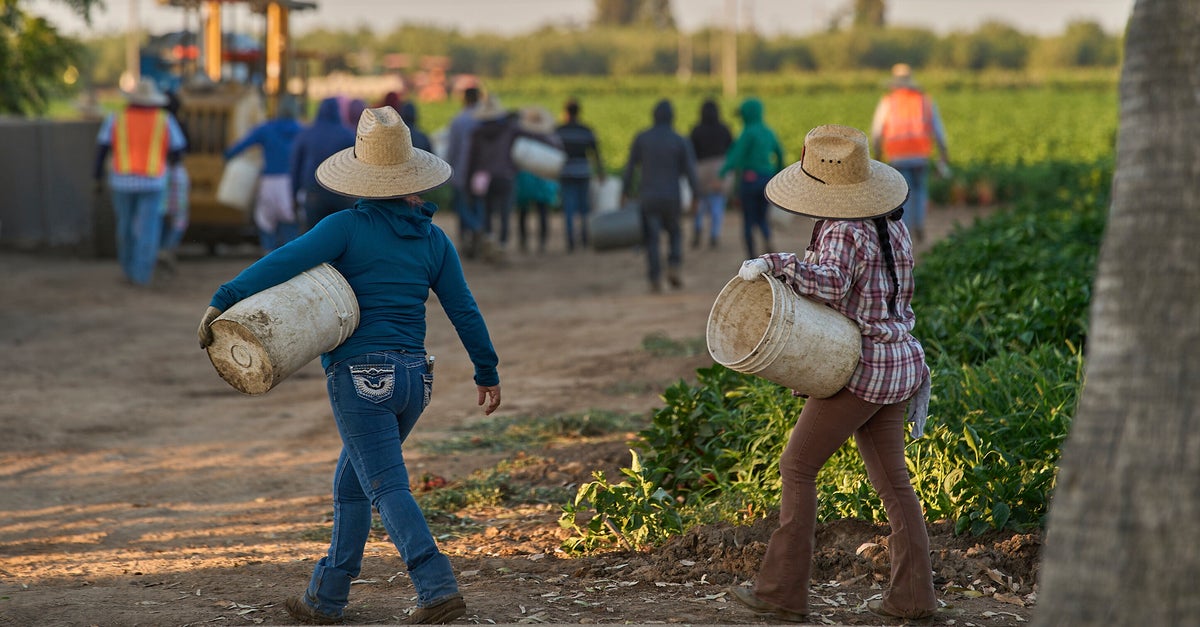
Tomato season is in full swing in California's Central Valley, where farmworkers like Lidia are busy harvesting. However, Lidia is also feeling anxious about the increased presence of U.S. Immigration Control and Enforcement, fearing deportation more than two decades after crossing the border illegally. As Labor Day celebrations honor workers in the U.S., experts note that President Trump's immigration policies are impacting the labor force, with over 1.2 million immigrants leaving the workforce from January to July, including both illegal and legal residents.
Immigrants play a significant role in the U.S. workforce, constituting nearly 20% of workers. Industries like farming, construction, and services heavily rely on immigrant labor, with percentages ranging from 24% to 45%. The decline in immigrant workers coincides with the first decrease in the overall immigrant population after reaching a peak of 14 million in 2023. Trump's deportation-focused campaign promises have led to a drop in illegal border crossings but have also disrupted job growth, as immigrants typically contribute at least 50% to job creation in the U.S.
The impact of immigration enforcement actions is felt across various sectors, from agriculture in Texas to citrus farming in California. Farmworker advocacy groups report delays in harvesting and fears of ICE raids disrupting operations. The uncertainty surrounding immigration policies has left many workers like Lidia worried about their future in the U.S., especially those with families and deep roots in the country. Construction sites have also seen a decline in labor availability, with ICE targeting undocumented workers and creating a chilling effect on hiring.
The ripple effects of reduced immigrant labor extend beyond agriculture and construction to healthcare, where immigrants make up a significant portion of home health care aides. The potential shortage of caregivers and workers in essential services like hospitals and nursing homes raises concerns about the long-term impact of immigration policies on the economy and society. As the nation grapples with the consequences of stricter immigration enforcement, the future of industries reliant on immigrant labor remains uncertain.