South Australia Leads the Way: Banning Fish-Shaped Plastic Soy Sauce Packets for a Cleaner Environment
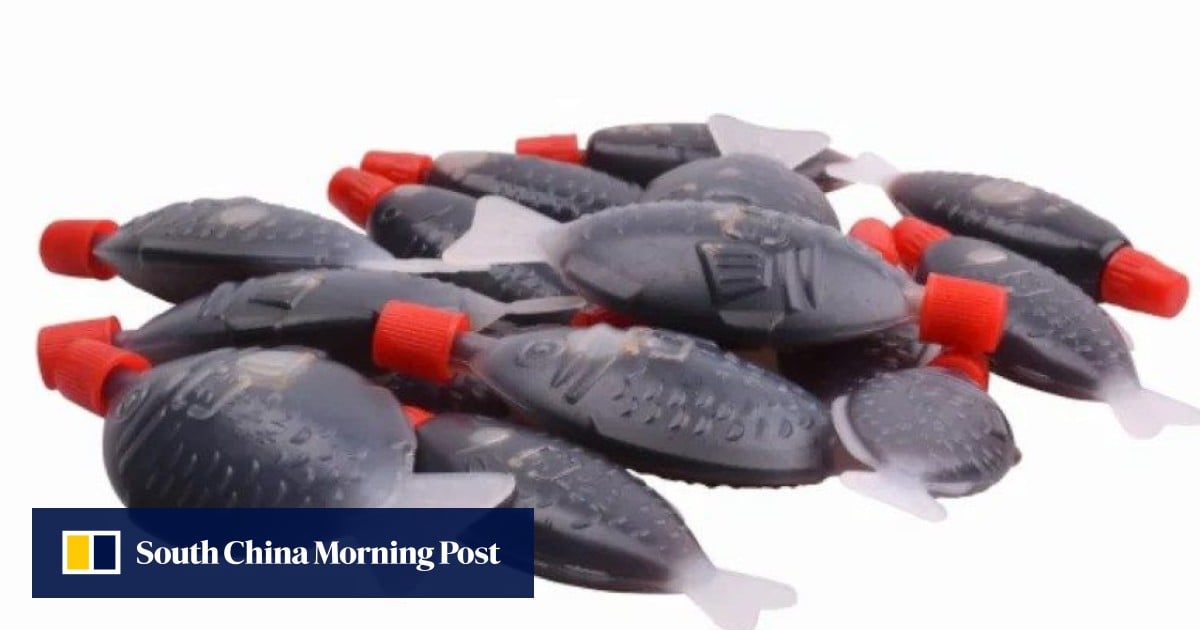
South Australia has made history by being the first location globally to prohibit fish-shaped plastic soy sauce packets. The ban, which came into effect recently, is part of the state's commitment to reducing pollution, cutting carbon emissions, and safeguarding marine life. The decision to ban these containers was driven by the detrimental impact they have on the environment, particularly in contributing to microplastic pollution. The ban specifically targets the pre-filled 30ml (1oz) containers with a lid, cap, or stopper commonly found in takeaway sushi outlets. Plastic sachets and bulk soy sauce bottles are not affected by the ban.
The fish-shaped soy sauce containers, originally introduced in Japan in 1954, have transitioned from glass or ceramic to mass-produced plastic versions that have become a global norm. Despite their small size, these containers pose a significant challenge in terms of recycling efficiency. Due to their size, they often evade sorting machinery in kerbside recycling programs, leading to their disposal in landfills or as fugitive plastic in the environment. When littered, these containers can break down into microplastics, persisting in soils, waterways, and oceans. South Australian Environment Minister Susan Close emphasized that these containers are considered convenience packaging items that can be replaced with more sustainable alternatives.
Marine scientist Nina Wootton, specializing in microplastics and plastic waste at the University of Adelaide, highlighted the prevalence of soy sauce fish containers on beaches. Despite efforts to reduce single-use plastic waste, Wootton acknowledged the challenges of avoiding such items entirely, especially in sushi restaurants where soy sauce is often provided automatically. The state's latest ban on fish-shaped soy sauce containers builds upon previous initiatives to phase out single-use plastics like supermarket bags, plastic straws, and cotton buds over a span of several years.
In conclusion, South Australia's groundbreaking decision to ban fish-shaped plastic soy sauce packets underscores its commitment to environmental sustainability and marine conservation. By taking proactive measures to eliminate harmful single-use plastics, the state sets a precedent for other regions to follow suit in addressing plastic pollution and promoting eco-friendly alternatives.