Debating Trust in Experts: Revisiting Robert F. Kennedy Jr.'s Controversial Remarks
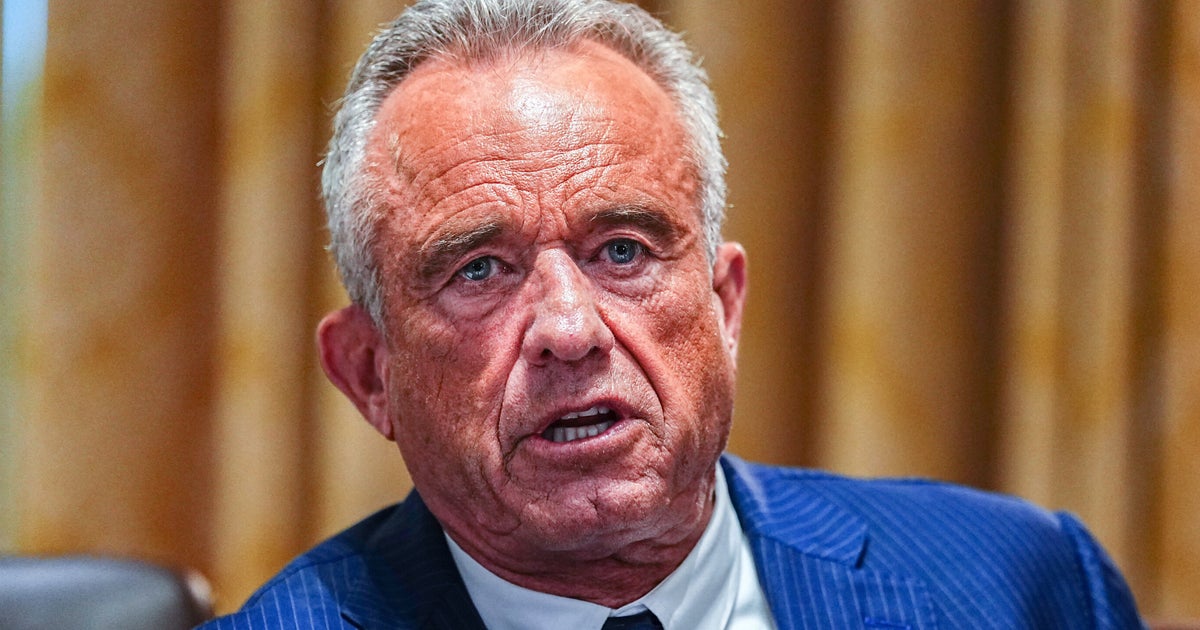
The recent comments made by Health and Human Services Secretary Robert F. Kennedy Jr. regarding the trust in experts have resurfaced online amidst the turmoil at the Centers for Disease Control, which is currently under his leadership. In a viral interview with Tucker Carlson, Kennedy expressed skepticism towards experts, stating that trusting them is not a characteristic of science or democracy but rather of religion and totalitarianism. The resurfacing of these remarks has sparked a wave of reactions online, with many expressing concern and disbelief at Kennedy's stance on expertise.
The footage of Kennedy's interview with Tucker Carlson has reignited the debate on the role of experts in society, with some questioning the qualifications of those who advocate against trusting experts. The online discourse has highlighted the irony of individuals like Kennedy, who may seek expert advice for their own health concerns while discouraging the public from doing the same. The sentiment expressed by Kennedy has been met with criticism and skepticism, particularly from those who have dedicated years to acquiring expertise in their respective fields.
Kennedy's call for citizens to stop trusting experts and instead conduct their own research has been met with skepticism and concern. Many have pointed out the impracticality of this approach, especially for individuals without the necessary background or resources to independently verify scientific information. The notion of disregarding expert advice in favor of personal research has been criticized as potentially dangerous and misguided, particularly in matters of public health and safety.
The backlash against Kennedy's comments reflects a broader concern about the erosion of trust in experts and the rise of anti-intellectual sentiment in society. By questioning the value of expertise and promoting a DIY approach to knowledge, individuals like Kennedy risk undermining the credibility of established scientific institutions and experts. The online reactions to Kennedy's remarks underscore the importance of upholding the integrity of expertise and promoting evidence-based decision-making in public discourse.
In conclusion, the resurgence of Robert F. Kennedy Jr.'s comments on trusting experts has reignited a debate on the role of expertise in society. The skepticism and criticism directed towards Kennedy's stance highlight the importance of valuing and respecting the knowledge and experience of experts in shaping public policy and decision-making. As the discourse on expertise continues to evolve, it is crucial to uphold the principles of evidence-based reasoning and informed decision-making in addressing complex societal challenges.