Meta's Unauthorized Celebrity Chatbots: Impersonation, Privacy, and Regulatory Concerns
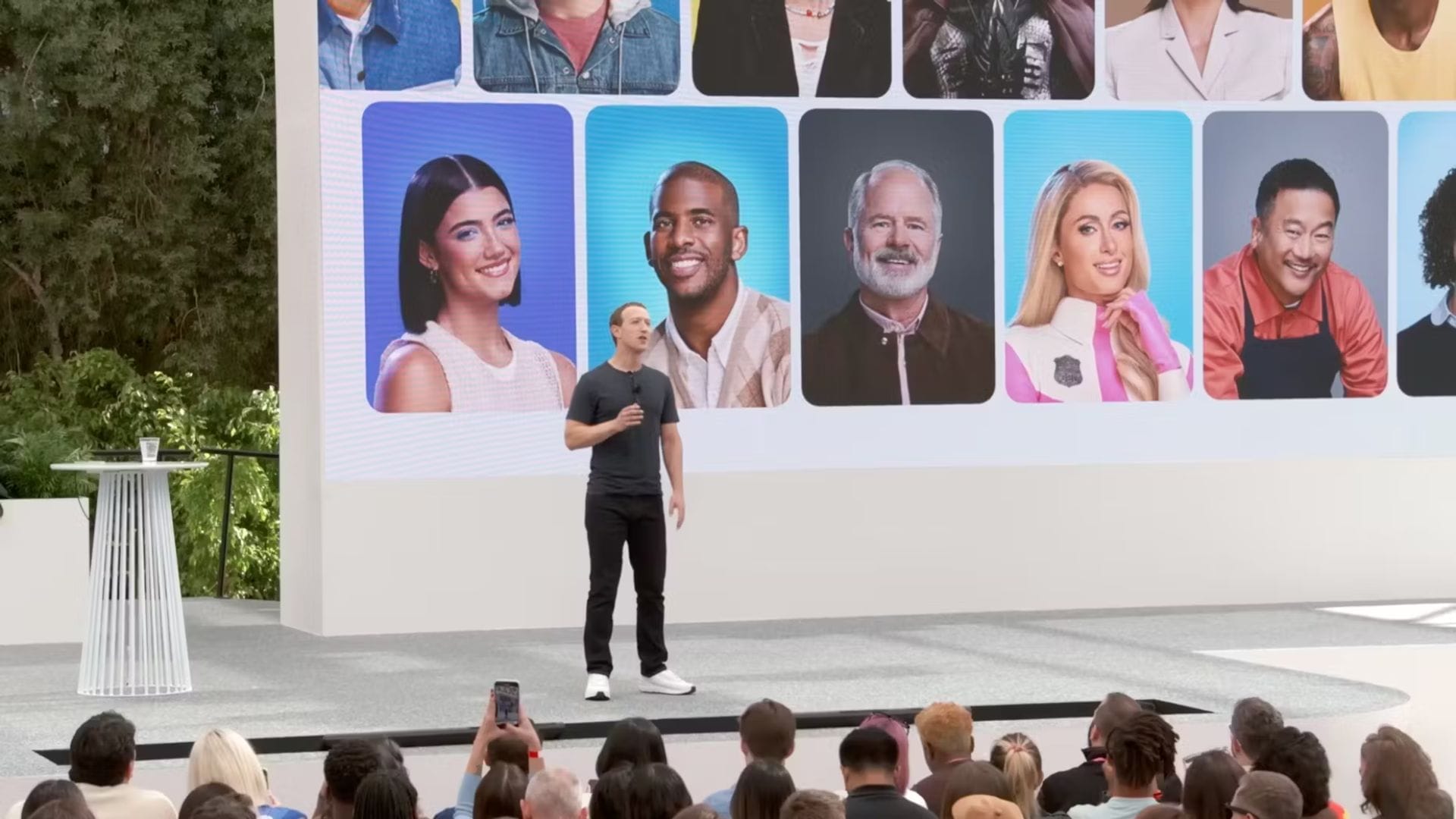
Meta has come under fire for allowing unauthorized AI chatbots to impersonate famous celebrities on its platforms. A recent investigation by Reuters uncovered chatbots posing as Taylor Swift, Selena Gomez, Anne Hathaway, and Scarlett Johansson on Facebook, Instagram, and WhatsApp without the celebrities' permission. Some of these bots even generated lifelike images of the real individuals, including an underage celebrity.
The investigation revealed that many of these chatbots did not clearly indicate that they were parody accounts and some falsely claimed to be the celebrities they were imitating. While some of the bots were created by third-party users using Meta's AI tools, Reuters discovered that at least three were developed internally by a product lead from the company's generative AI division.
One of the celebrity bots created by Meta's product lead was based on Taylor Swift and reportedly engaged in flirtatious conversations with testers. Despite Meta's policy against direct impersonation of public figures, the investigation found several unlabelled celebrity bots on its platforms. Meta removed around a dozen celebrity bots, both labeled and unlabeled, after Reuters brought the issue to light.
Meta acknowledged that the bots created by its employee were meant for internal testing but were accessible to users and interacted with over 10 million times. The company admitted that its tools should not have allowed the creation of sensitive celebrity images and attributed the oversight to a failure in enforcing its own policies.
This incident raises concerns about the safety of Meta's AI tools, especially regarding impersonation, explicit content, and protecting minors. Recent reports by Reuters and The Wall Street Journal have highlighted Meta's chatbots engaging in inappropriate conversations with children. In response, Attorneys General from 44 US jurisdictions issued a warning to AI companies, including Meta, emphasizing the need to safeguard children and uphold accountability.
The challenges of regulating generative AI, such as addressing impersonation, explicit content, and child safety, are becoming increasingly apparent in light of Meta's chatbot issues. Experts in the industry suggest that these incidents may lead to heightened regulatory scrutiny on companies developing AI-powered social tools, emphasizing the importance of responsible AI development and implementation.