Critical Cuts: Impact of Funding Reductions on Mass Shooter Prevention Programs
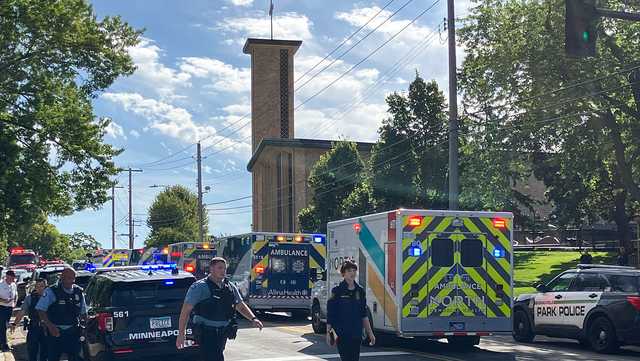
In the lead-up to a tragic shooting at a Minnesota church, the Trump administration made significant cuts to funding for programs aimed at identifying and preventing mass shooters. The grants, which were part of a Homeland Security program, were terminated due to concerns about their effectiveness and alleged partisan affiliations. Experts and lawmakers have expressed worries about the impact of these cuts on domestic terrorism prevention efforts in the country.
The canceled grants had supported local initiatives in Minnesota to assess and manage threats of mass violence. The decision to pull funding from these programs has sparked criticism from some lawmakers who argue that it has left the state ill-equipped to prevent tragedies like the recent church shooting. The grants were intended to help local communities recognize early warning signs of potential violence and take proactive measures to address them.
While it is uncertain whether these programs could have prevented the recent shooting, authorities have been examining journals left behind by the shooter, which suggest that there were warning signs that could have been identified. The programs funded by the Center for Prevention Programs and Partnerships aimed to enhance communities' ability to spot such signs, although there have been concerns about their effectiveness in the past.
Despite criticisms of the programs, there has been high demand for funding through the initiative. Law enforcement agencies and other groups have shown interest in accessing resources to address threats of mass violence and enhance community safety. The grants were intended to support efforts to identify and manage potential threats, including school shooters, workplace violence, and stalking incidents.
The decision to cut funding for these programs has raised concerns about the country's ability to prevent future tragedies. Some experts and officials believe that the recent shooting in Minnesota could have been prevented if the programs had been in place. The grants were aimed at providing resources for behavioral threat assessment and management, which are crucial in identifying and addressing potential threats before they escalate.
In the aftermath of the shooting, there have been calls for more preemptive interventions to stop potential shooters before they act. First Lady Melania Trump emphasized the importance of behavioral threat assessments at all levels of society, from homes to social media platforms, to prevent future tragedies and make communities safer. The impact of the funding cuts on domestic terrorism prevention efforts remains a topic of concern among experts and lawmakers.
Overall, the decision to cut funding for programs aimed at identifying and preventing mass shooters has raised questions about the country's readiness to address domestic terrorism threats. The grants provided vital resources for local communities to recognize early warning signs of potential violence and take proactive measures to prevent tragedies. The recent shooting in Minnesota has underscored the importance of investing in programs that enhance threat assessment and management to safeguard communities from acts of violence.