U.S. Denies Visas to Palestinian Leaders for UN General Assembly: Rubio's Decision and Implications
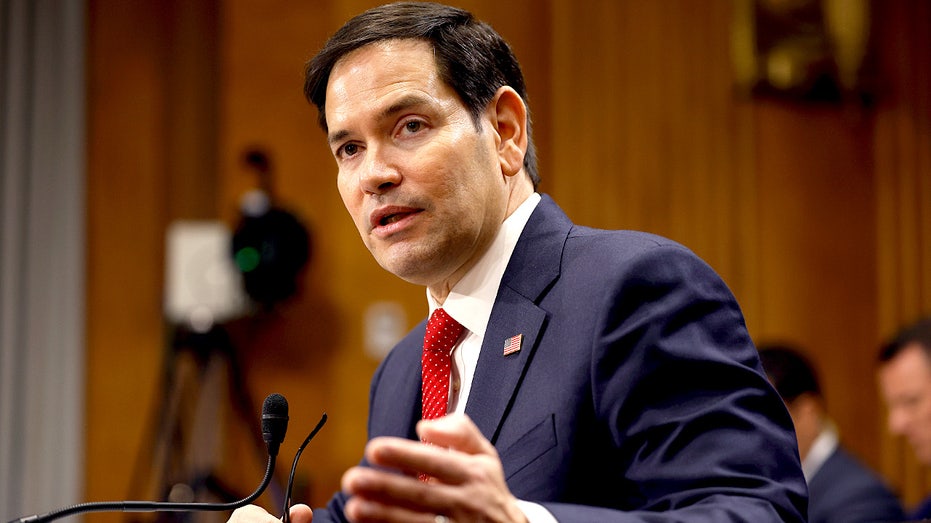
Secretary of State Marco Rubio has refused to grant visas to Palestinian leaders for the upcoming United Nations General Assembly, citing U.S. laws that prohibit recognition of Palestinian statehood and sanctions against the Palestinian Authority for payments to terrorists. Rubio's decision blocks senior officials of the Palestinian Authority (PA) and the Palestine Liberation Organization (PLO) from attending the UN General Assembly in New York next month.
The State Department spokesperson stated that the denial and revocation of visas for members of the PLO and PA are in compliance with U.S. laws and national security interests. The PA and PLO must renounce terrorism, lawfare campaigns, and unilateral statehood recognition to be considered as peace partners. The Trump Administration does not reward terrorism and remains open to re-engagement if concrete steps are taken by the PA/PLO.
The move prevents Palestinian leaders from addressing the annual U.N. gathering, where they have previously advocated for statehood recognition. The decision is based on findings under the Palestinian Liberation Organization Commitments Compliance Act (PLOCCA) and the Middle East Peace Commitments Act (MEPCA), which found the PA and PLO in violation of U.S. commitments.
The U.S. has never before barred an entire delegation from attending the U.N. General Assembly, but the unprecedented step is justified due to concerns that Palestinian leaders plan to declare independence unilaterally, which could benefit Hamas and disrupt ceasefire talks in Gaza. The recommendations call for rejecting visa applications from Palestinian officials and revoking previously issued visas.
Granting waivers would undermine existing sanctions and embolden the PA's unilateral recognition efforts. Enforcing the visa bans is seen as a low-cost, high-impact action to reinforce U.S. policy. Palestinian representatives have non-member observer status at the U.N., allowing them to participate in debates but not vote.
Rubio's decision marks a departure from the U.S. practice of accommodating U.N. participation, potentially leading to conflicts with international bodies and U.S. allies that recognize Palestinian representatives. The move follows years of tension between the U.S. and the United Nations over Israel-related issues, particularly after the Hamas attack in 2023. The U.S. has frequently used its Security Council veto power to block resolutions critical of Israel.