Rebecca Bradley's Decision Not to Seek Reelection: Implications for the Conservative Movement
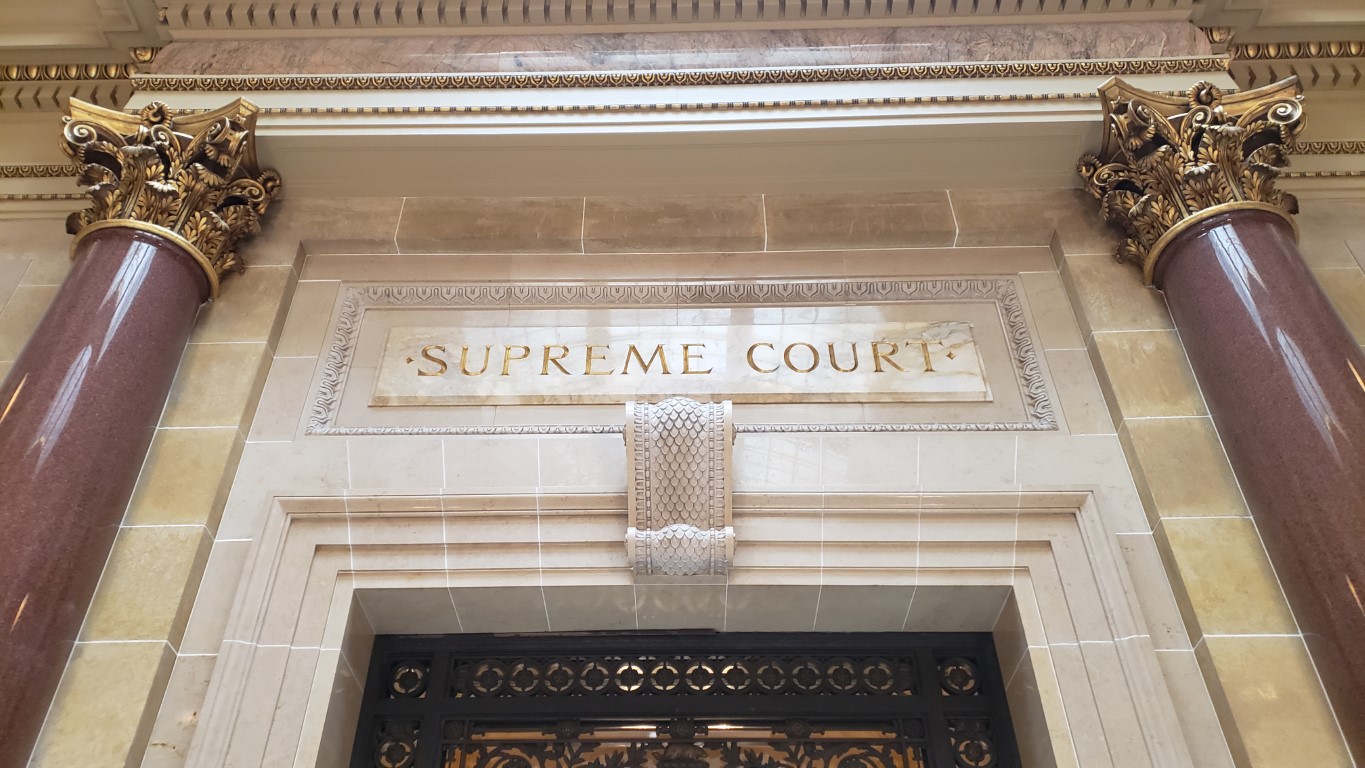
Rebecca Bradley, a conservative Justice on the Supreme Court, has announced that she will not be seeking reelection in 2026. She expressed that she believes her efforts to rebuild the conservative movement and advocate for liberty would be more effective outside of the Court. Bradley, who was elected in 2016, had initially indicated her intention to run for another term but did not raise any funds in the first half of the year, leading to doubts about her candidacy for 2026. This decision comes as a setback for conservatives, as they have faced consecutive losses in recent Supreme Court elections, giving liberals a majority until at least 2028.
In a statement to WisPolitics, Bradley expressed concerns about the increasing power of the judiciary under judicial activists and the shift towards partisanship and political gamesmanship in the Court. She emphasized the need for the conservative movement to reflect on its shortcomings, address the issues at hand, and make necessary changes to ensure principled judicial service. With Bradley's decision not to seek reelection, the conservative movement faces a challenge in regaining influence in the Supreme Court and advancing its agenda in the future.
Overall, Rebecca Bradley's announcement of not seeking reelection to the Supreme Court in 2026 marks a significant development in the political landscape, with implications for the balance of power and ideological direction of the Court. As conservatives grapple with the loss of a key figure on the bench, they must strategize and regroup to navigate the evolving dynamics of the judicial system and uphold their principles in the face of increasing partisanship.