Federal Appeals Court Rules Against Trump's Tariffs: Implications for Trade Policy and the Economy
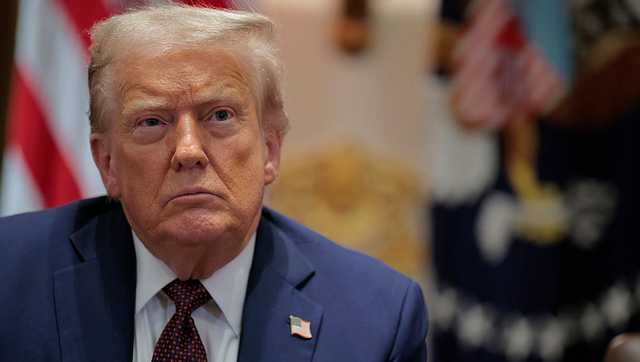
A recent ruling by a federal appeals court determined that President Donald Trump did not have the legal authority to impose broad tariffs, but the court allowed his protectionist trade policies to remain in effect for the time being. The U.S. Court of Appeals for the Federal Circuit upheld a previous decision that Trump overstepped his authority by imposing import taxes on numerous countries. However, the court did not immediately strike down the tariffs, giving the administration the opportunity to appeal to the Supreme Court.
This ruling presents a challenge to Trump's efforts to reshape American trade policy independently. While Trump has other legal avenues to impose import taxes, they would impose limitations on the speed and severity of his actions. The tariffs imposed by Trump have caused uncertainty in global markets, strained relationships with U.S. trading partners, and raised concerns about potential price increases and economic slowdown.
In conclusion, the recent court decision highlights the legal constraints on President Trump's trade policies and the potential implications for the economy and international trade relations. The ongoing legal battle over tariffs underscores the complexities of trade policy and the need for a balanced approach to address economic challenges.