South Carolina Seeks Supreme Court Approval for Education Funding Tied to Transgender Restroom Policy
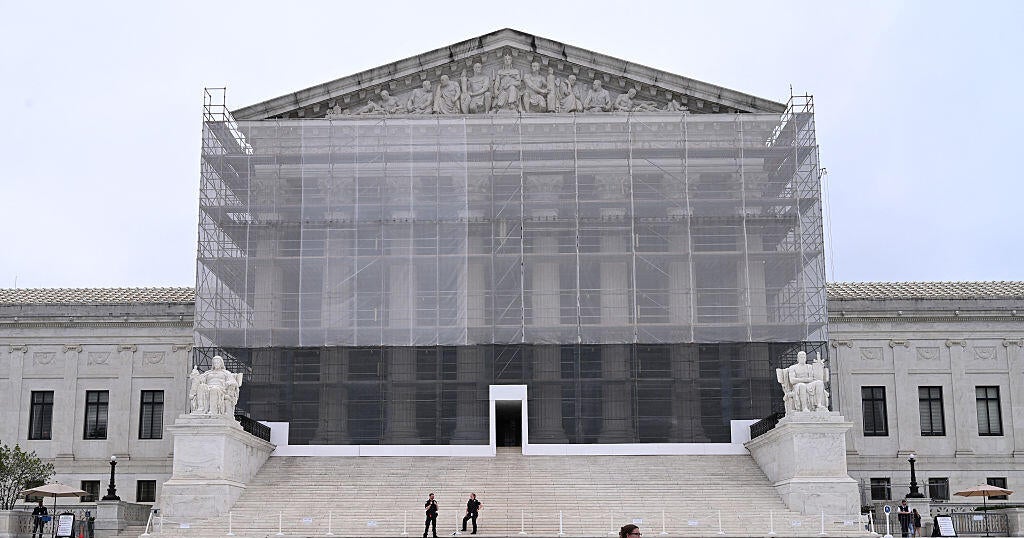
South Carolina officials have requested the Supreme Court to grant them permission to enforce a measure that ties education funding to compliance with a rule prohibiting transgender students from using restrooms that align with their gender identity. The state's plea for urgent relief from the high court follows a federal appeals court decision that halted South Carolina from implementing its restroom policy against a transgender high school student known as John Doe. The state's General Assembly included the restriction in a spending bill for the fiscal year 2024 to 2025, conditioning 25% of state funds allocated to school districts on adherence to the requirement that public school restrooms designated for one sex are used exclusively by members of that sex.
Doe, a transgender student attending a public school in Berkeley County, South Carolina, and his guardians filed a lawsuit last November, contending that the restroom-related provision of the legislation violates the Constitution's Equal Protection Clause and Title IX. The provision classified Doe, who identifies as male, as a "female," thereby preventing him from using the boys' restrooms at school. Following the Supreme Court's recent decision upholding a Tennessee law limiting access to gender-affirming care for minors with gender dysphoria, a South Carolina district court paused the challenge to the state's bathroom policy and denied Doe's request to block the measure during ongoing litigation.
The U.S. Court of Appeals for the 4th Circuit recently granted an injunction in Doe's case, blocking South Carolina and its Department of Education from enforcing the policy that prohibits transgender students from using restrooms corresponding with their gender identities, but only in Doe's case. The 4th Circuit referenced its 2020 ruling in a case involving Gavin Grimm, a transgender student who challenged his school's restroom policy, where it deemed a Virginia school board's rule requiring transgender students to use restrooms based on their biological sex as unlawful. South Carolina officials have urged the Supreme Court to intervene, asserting that their restroom policy does not discriminate against transgender students and reflects the will of the state's General Assembly.
The state officials argued that the restroom policy aligns with the legislative body's decision and should be respected. They emphasized that the request aims to maintain the status quo, safeguarding the privacy of South Carolina public school students while the case is being litigated on appeal. The Supreme Court's intervention is sought to uphold the state's restroom policy and ensure that the will of the people of South Carolina is upheld.