Remembering Hurricane Katrina: The Devastating Impact of a Deadly Storm 20 Years Later
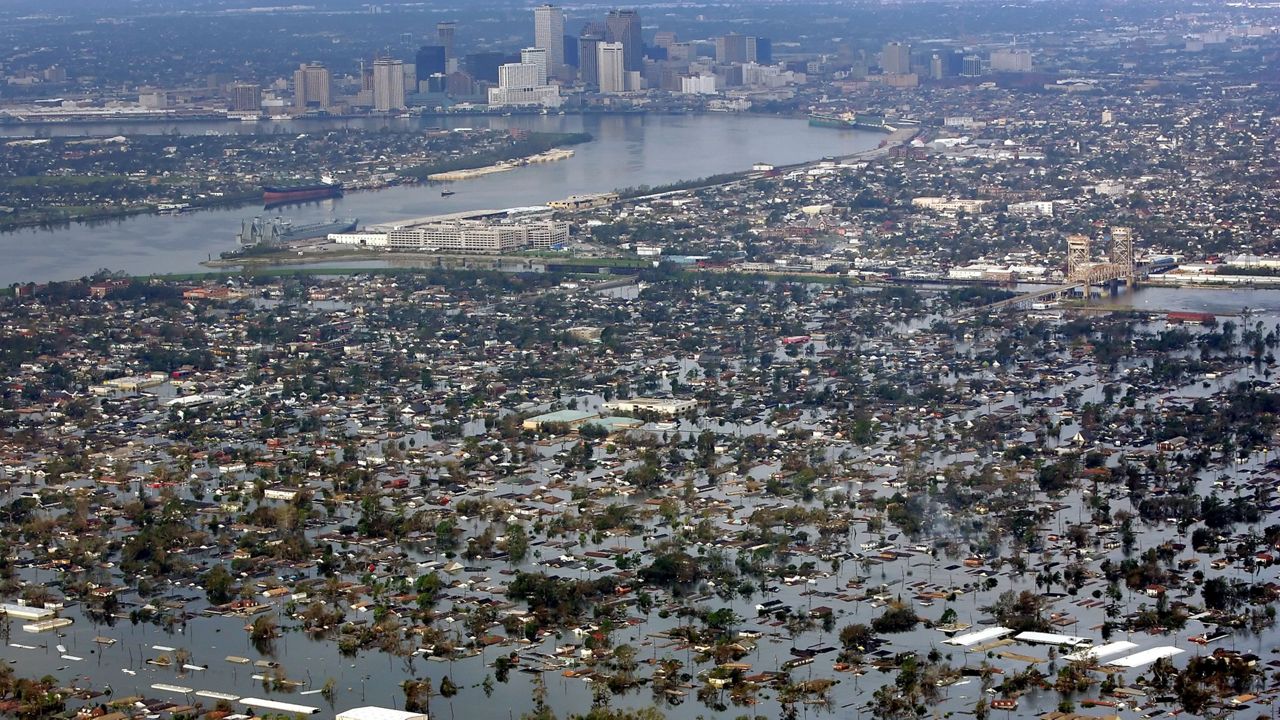
Hurricane Katrina, a catastrophic storm that struck the United States 20 years ago on Aug. 29, is remembered as one of the deadliest hurricanes in history. It originated from a tropical depression near the Lesser Antilles and rapidly intensified into a Category 5 hurricane over the warm waters of the Gulf of Mexico. Katrina made landfall three times, causing widespread devastation in southeast Louisiana, including the city of New Orleans and surrounding areas.
The storm first hit near the Miami-Dade/Broward County line in Florida as a hurricane before moving into the Gulf of Mexico. It then turned northwest and made its second landfall near Buras, LA, as a Category 3 hurricane with winds of 125 mph. Katrina continued to wreak havoc as it moved inland, maintaining hurricane strength near Laurel, Mississippi, before dissipating on Aug. 31.
Katrina's impact extended beyond Louisiana and Mississippi, affecting a vast area from southeastern Louisiana to southwestern Alabama. The storm surge reached up to 28 feet along the Mississippi Coast, causing extensive flooding and levee failures in New Orleans. The city was left 80% underwater, leading to widespread destruction and a staggering economic cost of $125 billion in 2005 dollars.
Two decades later, the memory of Hurricane Katrina serves as a reminder of the devastating power of nature and the importance of preparedness and resilience in the face of natural disasters.