President Sheinbaum Advocates for U.S.-Mexico Asset Sharing to Aid Impoverished Population Amid Sinaloa Cartel's Downfall
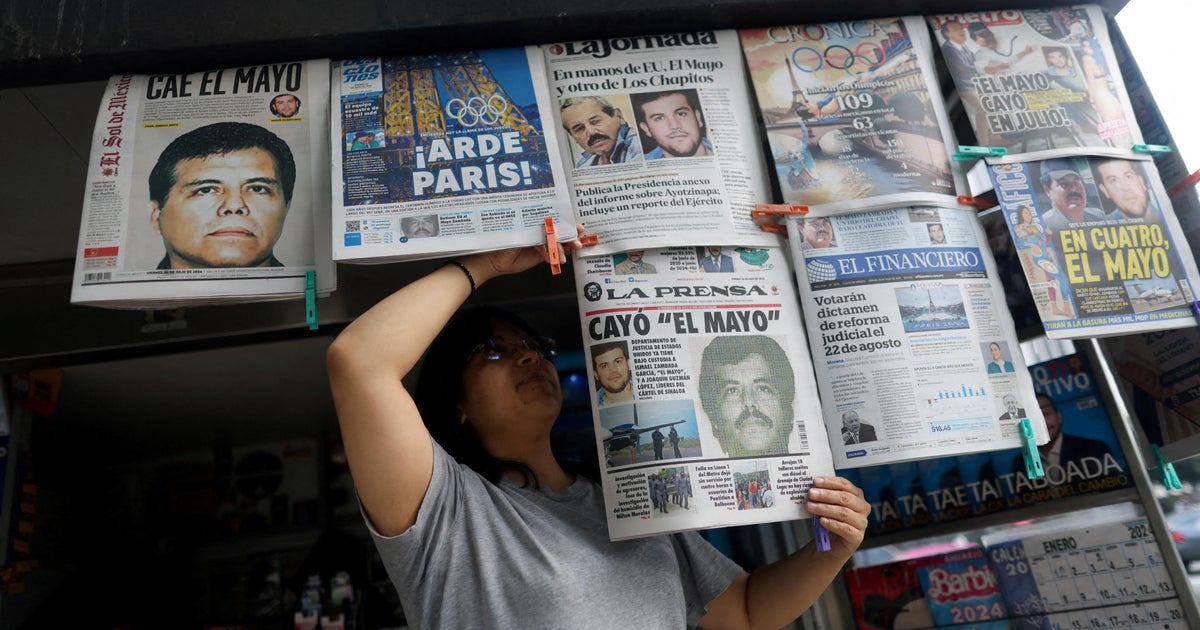
Mexican President Claudia Sheinbaum expressed her intention to request the United States to share the $15 billion recovered from convicted Mexican drug lord Ismael "El Mayo" Zambada with Mexico's impoverished population. Zambada, a co-founder of the Sinaloa drug cartel, recently pleaded guilty in a New York court to charges related to murder and drug trafficking, including fentanyl distribution. Despite avoiding the death penalty, Zambada faces life imprisonment and agreed to forfeit $15 billion in illicit gains as part of his plea deal.
During a press conference, President Sheinbaum emphasized the importance of allocating any recovered resources from Zambada to benefit Mexico's poorest citizens. The downfall of Zambada, following the incarceration of fellow cartel founder Joaquin "El Chapo" Guzman, has raised speculation about the future of the Sinaloa cartel. Despite some setbacks within the organization, Mexico's Security Secretary Omar Garcia Harfuch asserted that the cartel remains active and resilient, despite facing challenges.
The Sinaloa cartel, recognized as the largest drug-trafficking organization globally and designated a terrorist group by the U.S., operates across the U.S.-Mexican border. Zambada, a long-sought target of U.S. law enforcement, was apprehended in July 2024 after arriving in Texas with Guzman's son. Prosecutors have detailed Zambada's leadership of a violent criminal enterprise, involving extensive weaponry, a private security force, and a network of hitmen responsible for heinous crimes, including assassinations and kidnappings. Despite his criminal activities, Zambada will not face the death penalty, as per the directive of Attorney General Pam Bondi.
Following Zambada's arrest and his claims of being forcibly taken to the U.S., violent clashes erupted in Mexico between factions loyal to Zambada and those associated with Guzman's sons. The ongoing power struggle within the cartel underscores the complex dynamics and challenges faced by law enforcement in combating organized crime. President Sheinbaum's call for the U.S. to share recovered assets with Mexico highlights the broader implications of transnational criminal activities and the need for international cooperation in addressing such threats.
In conclusion, the recent developments surrounding Zambada's guilty plea and the potential allocation of recovered funds underscore the ongoing battle against drug trafficking and organized crime. The impact of these criminal enterprises extends beyond borders, necessitating collaborative efforts to dismantle illicit networks and support affected communities. President Sheinbaum's advocacy for resource-sharing reflects a commitment to addressing the root causes of crime and poverty, emphasizing the importance of social welfare initiatives in combating criminal activities.