Rev. Jamal Bryant's Target Boycott: A Call for Corporate Accountability and Community Empowerment
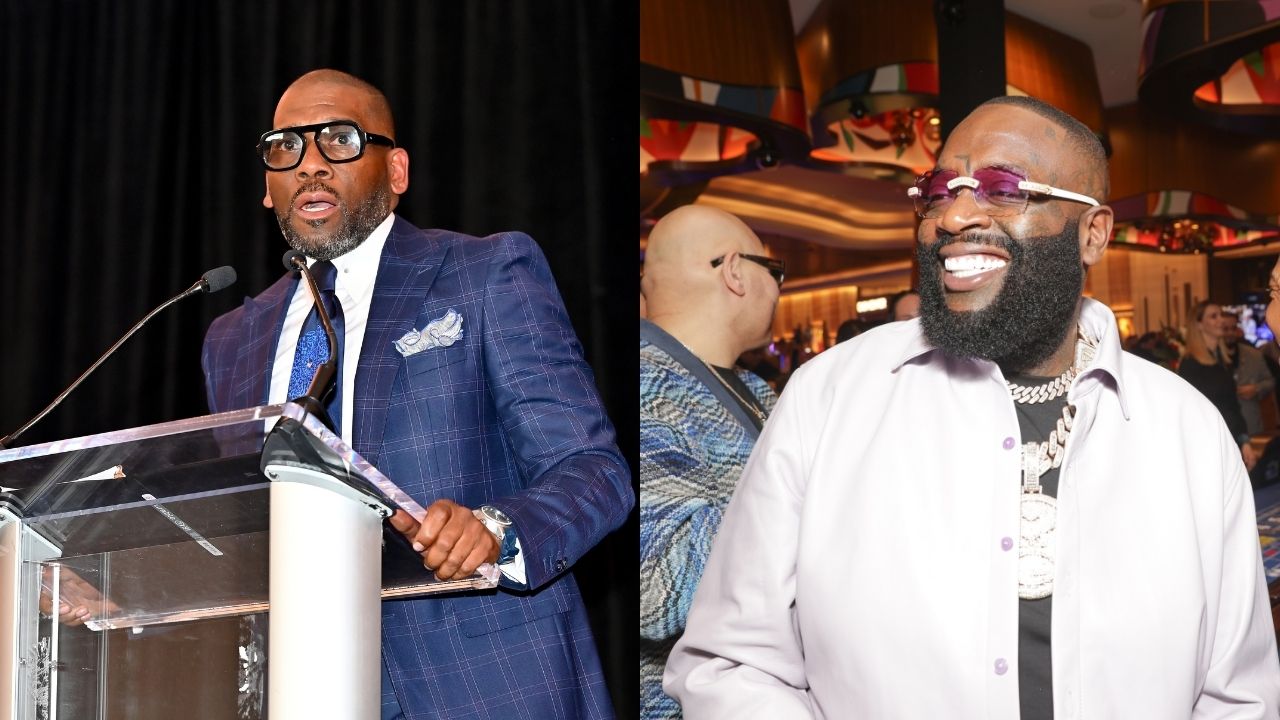
Rev. Jamal Bryant has taken a strong stance against celebrities shopping at Target amid a nationwide boycott. Rapper Rick Ross found himself in the spotlight after a social media post showing him and his girlfriend shopping at the store. The playful video captured Ross in a mobility car while his girlfriend pushed him through the aisles, seemingly unaware of the boycott's significance.
Bryant, a prominent pastor leading the boycott against Target, saw Ross's post as an opportunity to educate the rapper and his followers about the community's concerns. In a measured Instagram message, Bryant highlighted Ross's influential role in the culture and the importance of supporting Black-owned businesses. The response from Bryant's followers reflected a growing frustration with celebrities who seem disconnected from grassroots movements affecting Black consumers.
The controversy surrounding Ross's shopping trip comes at a time when Target is facing declining sales and store traffic. The retailer's decision to scale back diversity initiatives following Trump's return to office sparked Bryant's boycott campaign. The movement demands significant investments in Black communities, partnerships with historically Black colleges and universities, and a restructuring of diversity programs. Despite leadership changes at Target, Bryant remains committed to holding the company accountable for its actions.
The boycott has gained momentum, with over 350,000 people signing Bryant's petition for corporate accountability. The widespread support for the boycott demonstrates a shift in consumer behavior and highlights the enduring influence of the Black church in mobilizing communities for change. Ross's shopping excursion, while seemingly innocuous, has drawn attention away from the boycott and raised questions about his alignment with the retail giant's interests.
In conclusion, Rev. Jamal Bryant's boycott campaign against Target has sparked a national conversation about corporate accountability and the power of consumer activism. The controversy surrounding Rick Ross's shopping trip serves as a reminder of the importance of supporting Black-owned businesses and holding corporations accountable for their actions. As the boycott gains momentum, it underscores the role of grassroots movements in driving meaningful change and shaping the future of economic empowerment within Black communities.