Protecting Against the New World Screwworm: Risks, Symptoms, and Prevention Strategies
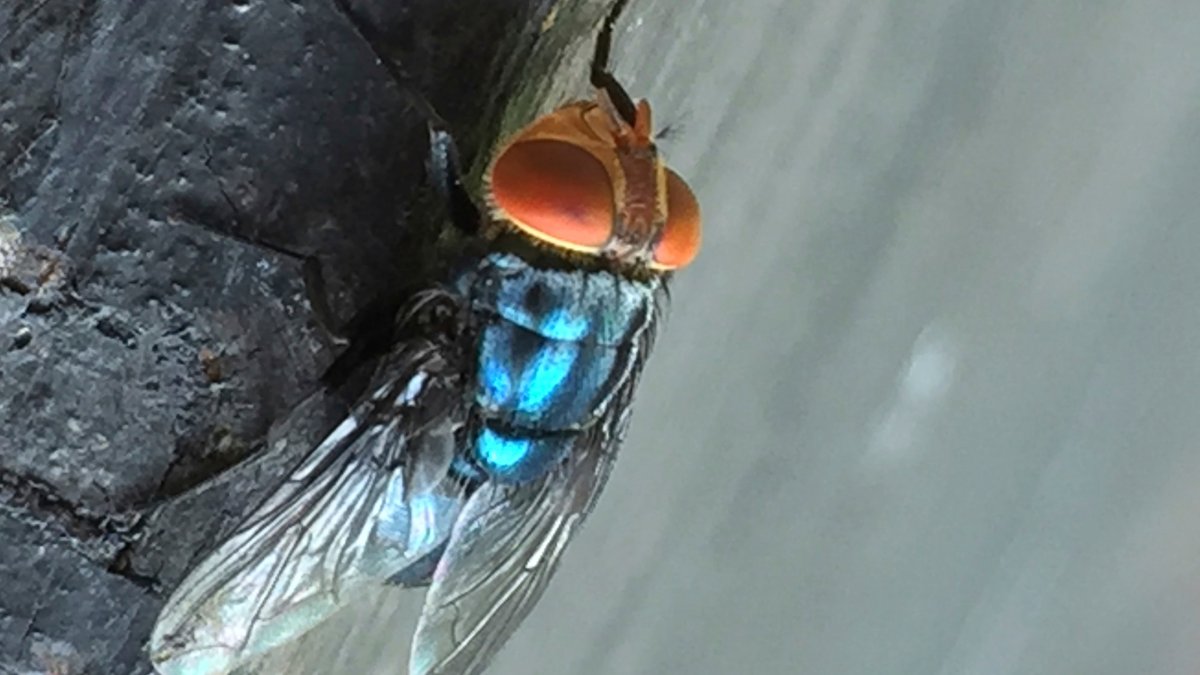
A Maryland resident who recently visited El Salvador has been diagnosed with New World screwworm, marking the first reported case in the U.S. linked to travel to a country experiencing an outbreak. The Centers for Disease Control and Prevention confirmed the diagnosis on August 4. The individual has since recovered, and there was no transmission of the parasite to others, according to Maryland health officials. New World screwworm is a fly known for laying eggs in wounds and body openings, primarily found in South America and the Caribbean. The CDC is collaborating with the U.S. Agriculture Department to prevent further spread of the parasite.
The New World screwworm, a fly species notorious for infesting wounds and body openings, poses a threat to both humans and animals. The larvae of these flies can grow up to two-thirds of an inch long and appear to be screwing themselves into the flesh. While the larvae do not spread from person to person, they can cause painful wounds and sores that are slow to heal. Individuals at higher risk are those who travel to areas with animal infestations, spend time among livestock, sleep outdoors, or have open wounds. Symptoms may include the presence of maggots around open sores and a foul odor from the affected area.
Efforts to control the New World screwworm have been ongoing for decades, with the U.S. successfully eradicating the pest in the 1960s and 1970s. However, recent cases in Central America and Mexico have raised concerns about its resurgence. Scientists are developing new genetic techniques to combat the parasite, and the U.S. government is intensifying its efforts to control its spread. While the risk to the public is low, vigilance is necessary, especially in regions where the parasite may reemerge. The Texas-Mexico border area is identified as a potential hotspot for the return of the New World screwworm.
In conclusion, the recent case of New World screwworm in a Maryland resident highlights the importance of monitoring and preventing the spread of this parasitic fly. Awareness of the symptoms and risk factors associated with the infection is crucial for early detection and treatment. Collaborative efforts between health agencies and researchers are essential in controlling the spread of the New World screwworm and safeguarding public health.