Navigating Climate Challenges: The Impact of Weather Variability on Corn Crops
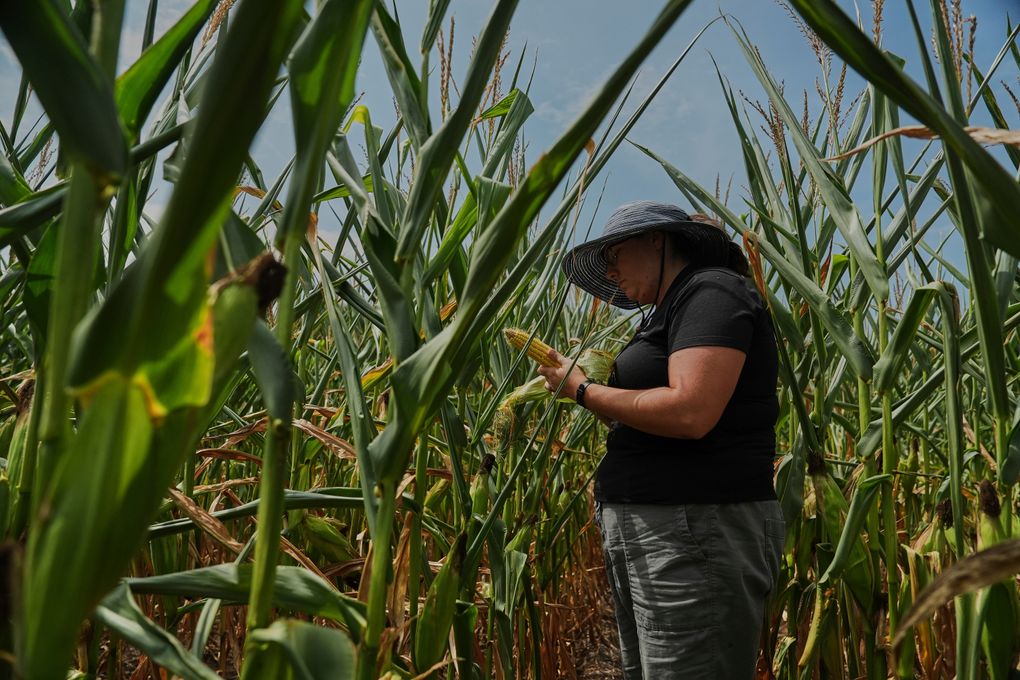
In Paw Paw, Michigan, Robb Rynd and his brother own a farm of over 200 acres where they grow corn, soybeans, wheat, and sorghum. While last year was successful, this year has been challenging due to weather conditions affecting the corn crop. Climate change has led to extreme weather events like high overnight temperatures, droughts, and heavy rains, impacting the pollination process of corn plants.
The hot nights and consistent high temperatures have stressed the corn plants, affecting pollen production and viability. Issues like tight tassel wrapping and patchy ears of corn have been observed in some areas. Farmers like Larry Walton in southwestern Michigan have had to closely monitor their crops due to the variable weather conditions.
Despite some areas experiencing drought earlier in the year, near-normal rainfall and consistent heat have led to predictions of a record corn crop in 2025. However, not all farmers have had an easy season. Philip Good from Mississippi faced delays in planting due to excessive rain, but fortunate weather later in the season helped salvage the crops.
The trend towards higher humidity levels and warmer ocean temperatures poses a challenge for crops like corn and soybeans. Late summer is a critical time for farmers as they assess their crop yield and plan for the future. Uncertain pollination can lead to significant yield losses, impacting farmers' decisions on investments and expansion.
Farmers are adapting to challenges like poor pollination by exploring innovative solutions like mechanical pollen collection and pollination. Extreme weather events have led to an increase in "rescue" pollination jobs to ensure successful crop yields. Despite the stress of unpredictable weather, farmers like Walton remain resilient and adaptable in managing their crops.
In conclusion, the impact of climate change on corn crops is evident in the challenges faced by farmers like Robb Rynd and Larry Walton. Adapting to changing weather patterns and exploring new technologies are crucial for ensuring successful crop yields in the face of unpredictable conditions.