Medicare Prior Authorization Model: Enhancing Efficiency and Reducing Waste in Six States
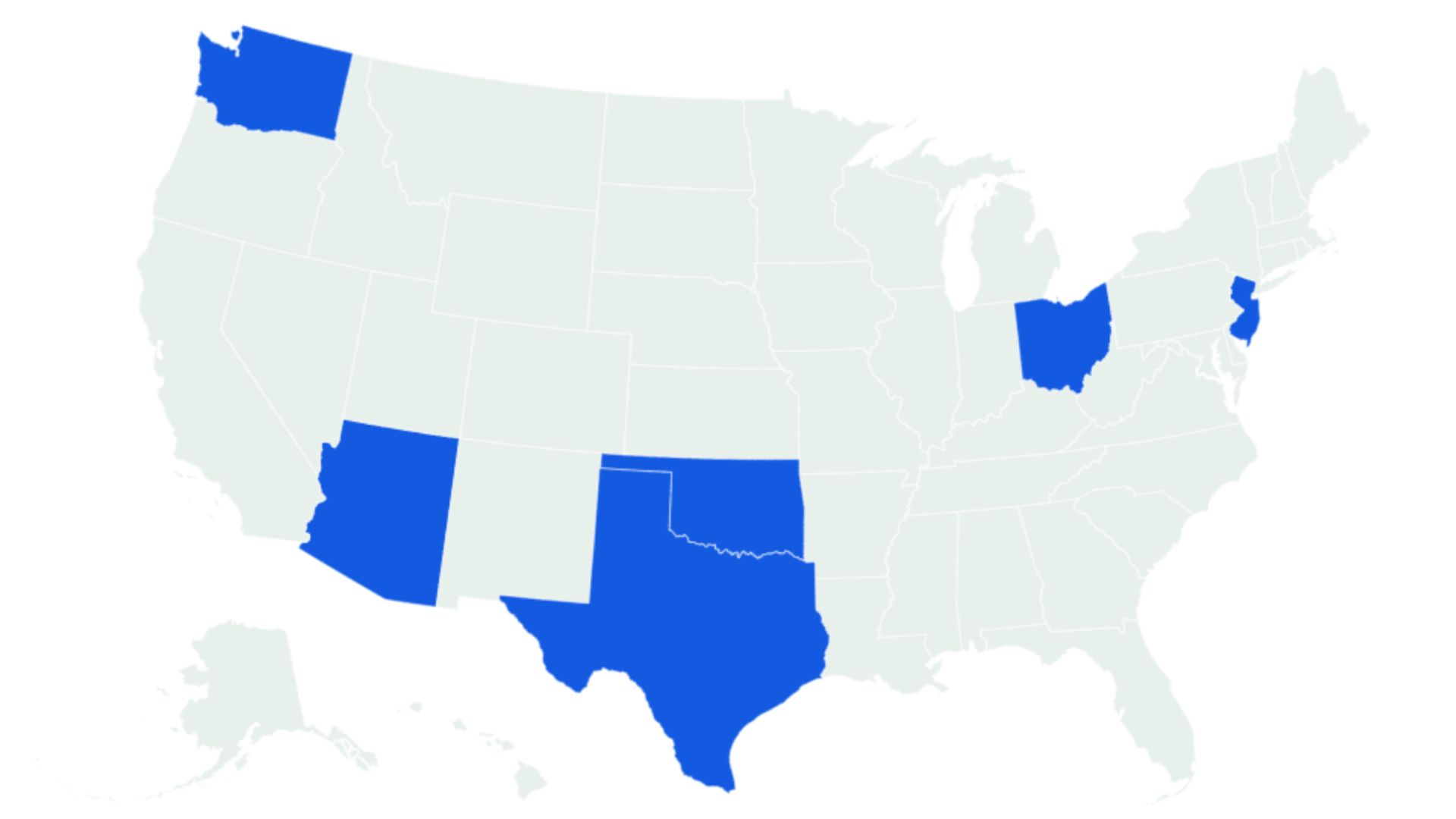
Six states have been selected to participate in a new model developed by the Centers for Medicare and Medicaid Services (CMS) for the federal health program Medicare in 2026. The model aims to protect Medicare beneficiaries and federal taxpayers from unnecessary services, fraud, waste, and abuse. The states chosen for testing the new model include New Jersey, Ohio, Oklahoma, Texas, Arizona, and Washington. These states were selected by CMS to participate in the model. The model will introduce a prior authorization process to reduce wasteful care and services that provide little to no clinical benefit, which can increase costs and put patients at risk. Waste in healthcare represents up to 25 percent of healthcare spending in the U.S., with estimates suggesting that around $5.8 billion in Medicare spending in 2022 was spent on services with minimal benefit. The new model will not change Medicare coverage or payment criteria but will enhance technologies, including artificial intelligence, to expedite prior authorization processes. The selected states were likely chosen because their administrative contractors have already developed coverage policies for the services targeted by the model. The model is set to begin on January 1, 2026, and will run for two three-year agreement periods until December 31, 2031. It aims to lower spending in the traditional Medicare program for targeted services and deter fraudulent or medically unnecessary care. However, concerns have been raised about potential delays or denials of appropriate care and the impact on clinician burnout. The model will focus on low-value services that offer minimal benefit to patients and can result in physical harm and increased costs. It will also address concerns about the use of artificial intelligence in making prior authorization decisions and the potential for biased or invalid recommendations. While the model aims to reduce unnecessary care and costs, there are concerns about the rejection of necessary treatment and the impact on patient outcomes. The implementation of the new model in 2026 will bring changes to Medicare processes and procedures in the selected states.