Vibrio Vulnificus: The Rising Threat in Coastal Waters During Summer Months
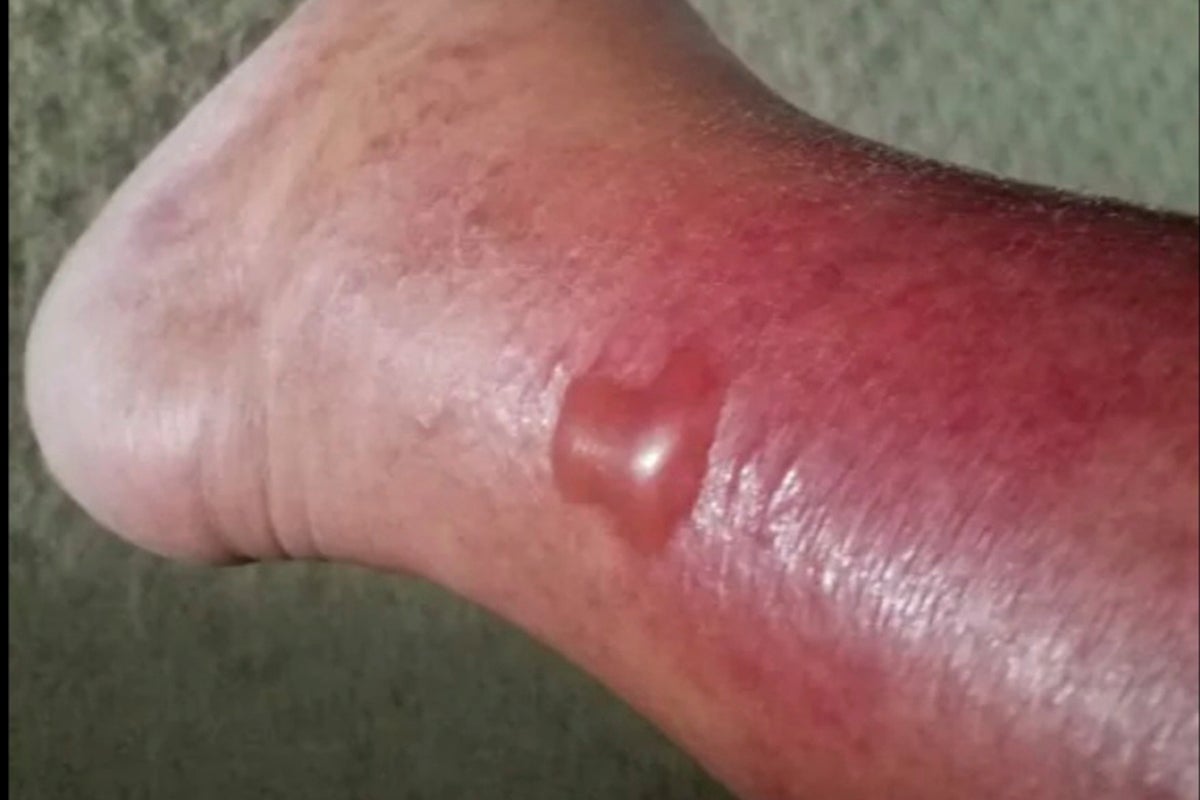
Beachgoers are being warned about the increased risk of infections from Vibrio vulnificus, a dangerous bacteria found in coastal waters during the summer months. This bacteria is becoming a yearly threat along the Gulf Coast and is spreading up the Eastern Seaboard. A survivor of a Vibrio infection, Bernie Stewart, emphasized the seriousness of the bacteria after experiencing a life-threatening infection in his leg while fishing in Pensacola Bay. Vibrio bacteria thrive in seawater and estuaries, with most infections occurring between May and October in states along the Gulf Coast.
Dr. Fred Lopez, an infectious diseases specialist, highlighted that the Gulf Coast's water conditions provide an ideal environment for Vibrio vulnificus to proliferate. This particular type of Vibrio bacteria is the most severe, causing a high fatality rate among infected individuals. Infections can occur through consuming raw or undercooked shellfish, especially oysters, or when the bacteria enter the body through skin breaks while in ocean or brackish water. Treatment for Vibrio infections can be challenging, often requiring multiple surgeries and, in severe cases, amputation.
Individuals at higher risk of severe Vibrio infections include the elderly, those with weakened immune systems, liver disease, diabetes, and certain chronic illnesses. Louisiana has seen a significant increase in cases this summer, with more expected during the peak season for Vibrio vulnificus infections. Cases have been reported as far north as New England, indicating the bacteria's spread due to climate change. Health officials advise avoiding exposure to saltwater or raw seafood if you have open wounds and recommend thorough cleaning of cuts and scrapes if contact occurs.
Preventative measures include refraining from consuming raw or undercooked shellfish, particularly oysters, and ensuring proper hygiene practices when handling seafood. Health officials stress the importance of washing hands after touching raw shellfish and following cooking instructions for shellfish to reduce the risk of infection. Despite efforts to raise awareness about the dangers of Vibrio bacteria, some areas lack sufficient signage to alert beachgoers to the risks. It is crucial for individuals to take precautions and seek medical attention if symptoms of a Vibrio infection develop.
In conclusion, the prevalence of Vibrio vulnificus infections poses a significant health risk to individuals frequenting coastal waters during the summer months. Awareness of the bacteria's dangers, adherence to safety guidelines when handling seafood, and prompt medical attention in case of symptoms are essential in preventing severe infections and potential fatalities. Stay informed, take necessary precautions, and prioritize your health when enjoying beach activities to minimize the risk of Vibrio-related illnesses.