Unmasking Nihilistic Violence: The Growing Threat of Nihilistic Violent Extremism
The increase in nihilistic violence is causing concern among law enforcement officials as they try to prevent attacks that often occur without warning. Nihilistic violence refers to acts lacking an ideological motive and driven by a desire for approval in extremist online communities. It is characterized by destruction for its own sake, born out of emptiness rather than money, ideology, or revenge.
In 2024, 65% of terrorist attacks in Western countries were not linked to any belief system, indicating a rise in ideologically confused acts of terrorism. The Department of Justice has identified this concept as "Nihilistic Violent Extremism" (NVE), defined as criminal conduct driven by a hatred of society and a desire to cause chaos and destruction. This type of violence poses challenges for law enforcement due to its unpredictability and the difficulty in profiling the perpetrators.
Experts note that perpetrators of nihilistic violence often share a psychological profile characterized by alienation and despair. These individuals feel invisible, powerless, or irrelevant, using violence as a way to make a statement and gain recognition. Law enforcement officers face challenges in predicting and preventing random acts of violence, emphasizing the importance of reporting any concerning behavior or statements.
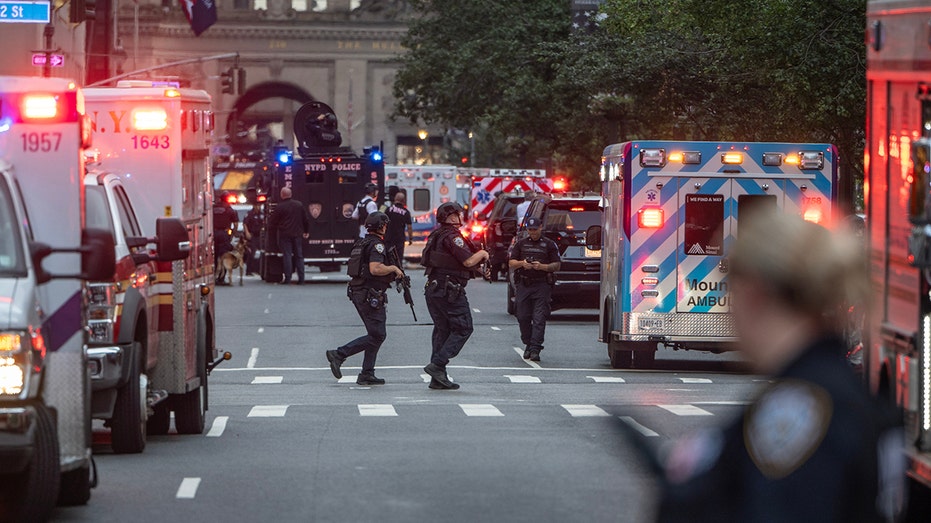
Recent instances of nihilistic violence, such as the mass shooting in a New York City office building, highlight the devastating impact of these senseless acts. The shooter, who targeted innocent individuals before taking his own life, demonstrated a lack of agenda or motive beyond projecting his despair outward. The randomness of such attacks undermines the sense of safety in public spaces, as anyone can become a victim at any time.
As the trend of nihilistic violence continues to rise, Americans are increasingly fearful of the unpredictable nature of these attacks. Unlike gang or political violence that may have specific targets, nihilistic violence poses a threat to anyone in public spaces. This unpredictability erodes the sense of safety that people rely on, heightening concerns about the potential for future acts of senseless violence.