Ukraine's Quest for Independence: Lessons from the 1990s and Beyond
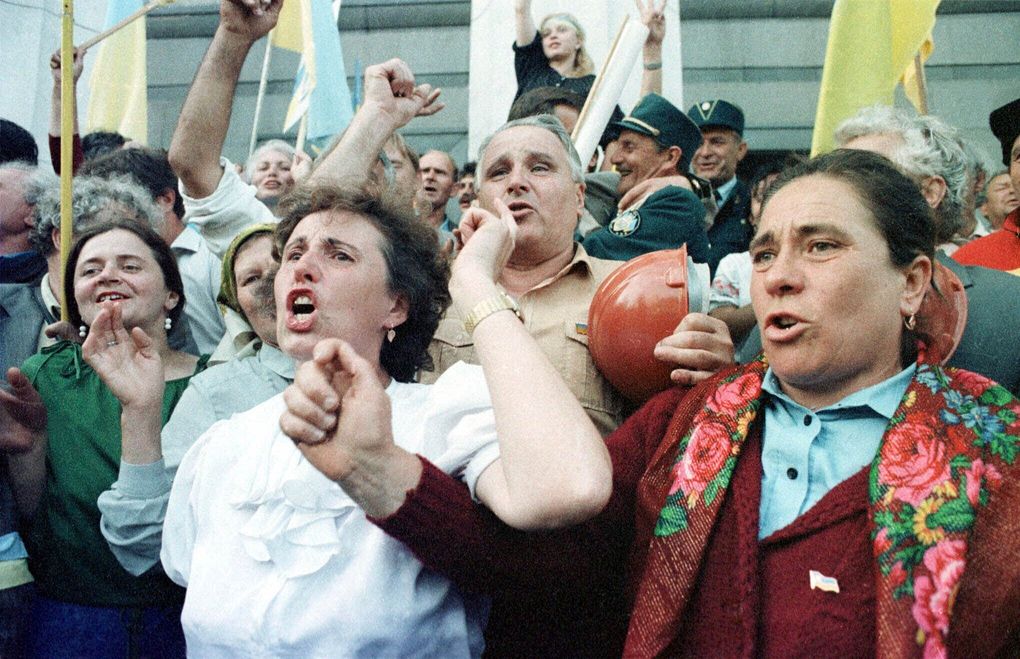
Ukraine's journey to independence in 1991 was a swift and unexpected one, catching many activists like Oleksandr Donii by surprise. Despite the initial hopes for a new political system and autonomy from Moscow, the reality of Russia's continued influence persisted. The struggle for independence in the early 1990s faced challenges, including the failure to remove the Communist ruling class and the societal divisions that hindered progress towards a new political landscape.
The fragmented society on the brink of independence reflected a mix of opinions, with a significant portion favoring ties with Russia and the Soviet Union. The passionate advocates for change were in the minority, highlighting the challenges Ukraine faced in establishing a clear path towards sovereignty. The tolerance towards Russian influence in the early years of independence is now seen as a missed opportunity to assert Ukraine's independence more firmly.
Decisions made in the early years of independence, such as surrendering Ukraine's nuclear arsenal to Russia, continue to impact the country's security and strategic position. The choice to cooperate with Russia instead of pursuing integration with the West through NATO has been criticized as a missed opportunity for Ukraine to leverage its nuclear potential for economic and security benefits. The Budapest Memorandum, which was meant to guarantee Ukraine's sovereignty, has been overshadowed by Russia's actions in Crimea and the subsequent invasion.
As Ukraine navigates its future amidst Russian aggression, the legacy of the compromises and choices made in the 1990s remains a significant factor in shaping the country's quest for lasting security and independence. The lessons learned from the past are crucial as Ukraine seeks to strengthen its ties with Western partners and assert its identity in the face of ongoing challenges.