Disruptions in International Postal Services: Impact of the De Minimis Exemption Elimination on US Shipments
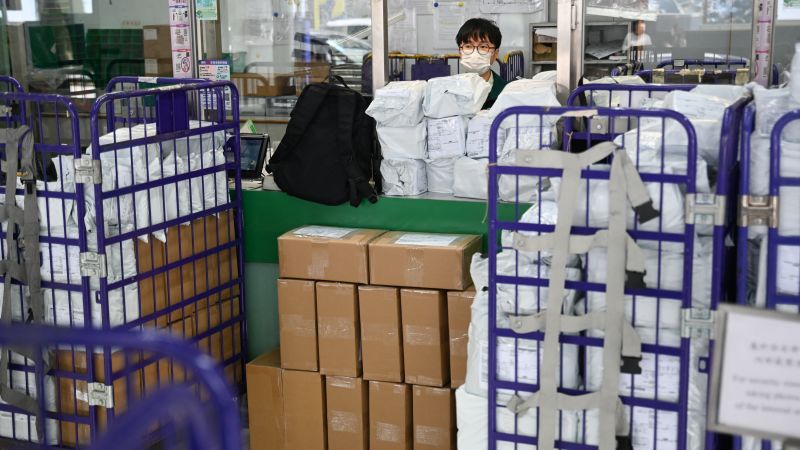
International postal services are facing disruptions in shipments to the United States due to the expiration of the exemption on tariff duties for small packages. The exemption, known as the “de minimis” rule, allowed duty-free entry of goods worth $800 or less into the US. However, this exemption is set to be eliminated, impacting e-commerce businesses and consumers.
The elimination of the de minimis exemption has prompted European and Asian postal services to suspend shipments to the US. Companies like DHL and the Austrian Post have announced plans to halt shipments to the US due to uncertainties surrounding customs clearance procedures. This change is expected to affect discount sellers and online marketplaces connecting US consumers to businesses worldwide.
US Customs and Border Protection processes millions of de minimis shipments daily, with more than 1.36 billion entering the country last fiscal year. The new executive order imposes additional charges on businesses based on the tariff rates of their trading partners. Some businesses, like Abbott Atelier Jewelry and Olive Young, are warning customers about potential tariff costs and passing them on to shoppers.
As the de minimis exemption ends, businesses are preparing for increased duties on shipments to the US. Korean cosmetics brand Olive Young will apply a 15% duty on all orders starting August 27, while Wool Warehouse has suspended shipping to the US due to uncertainties about additional costs. Etsy sellers are advised to pay duties when purchasing shipping labels to ensure a seamless shopping experience for customers.
Despite efforts to mitigate the impact of the new shipping requirements, some businesses are facing challenges. UK-based jewelry maker Shed Maid announced plans to close its shop to US customers, citing uncertainties about the impact on their business. The disruptions in international postal services highlight the complexities and challenges faced by businesses and consumers in the wake of changing trade policies.
In conclusion, the expiration of the de minimis exemption for small packages entering the US has led to disruptions in international postal services and increased duties for businesses shipping goods to the country. The uncertainty surrounding customs clearance procedures and additional charges have prompted postal services and businesses to suspend shipments and warn customers about potential tariff costs. As businesses navigate these changes, the impact on e-commerce and international trade remains a significant concern for stakeholders.