Supreme Court Cases on Marijuana: Impact on Users and Producers
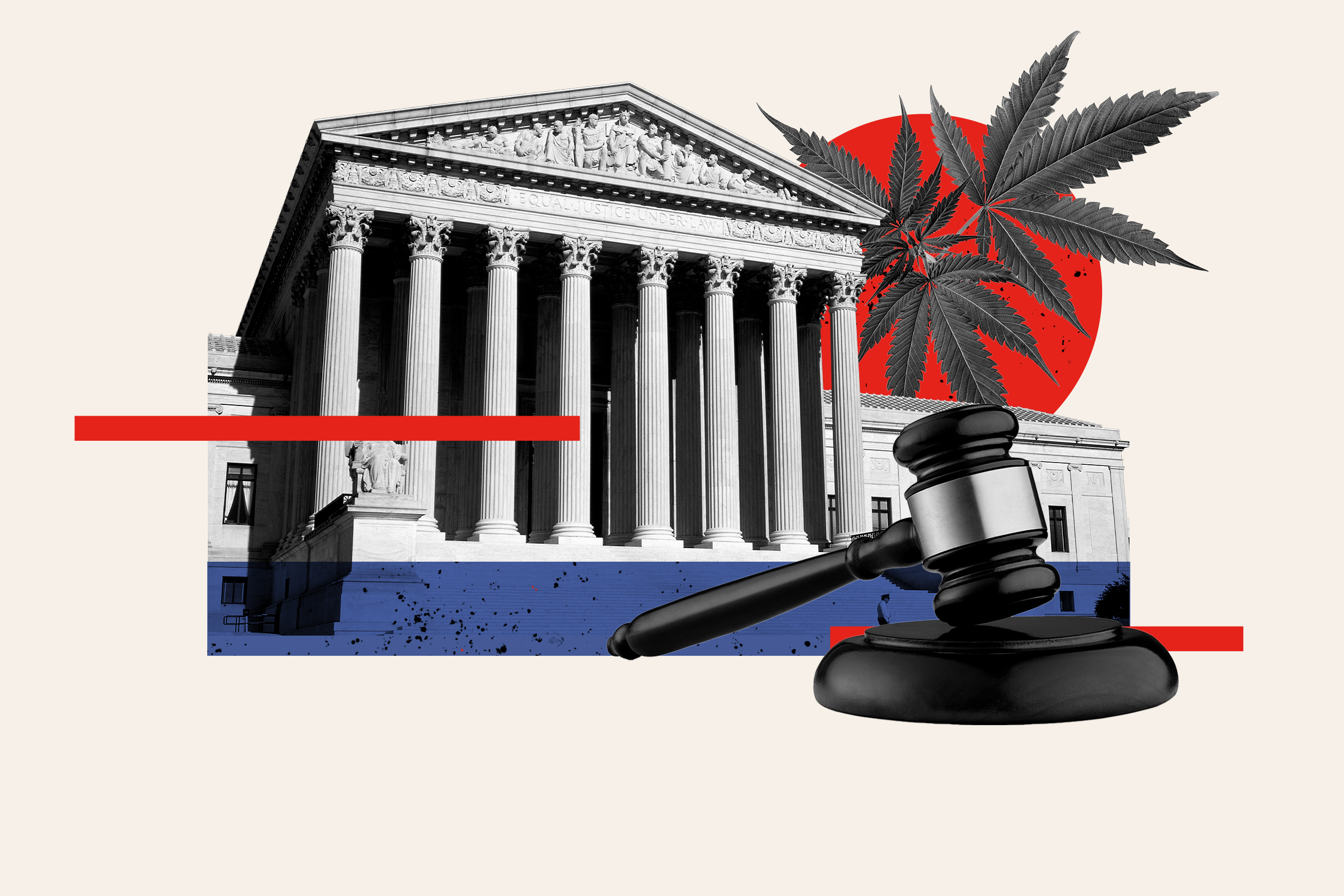
The U.S. Supreme Court is currently reviewing two cases related to marijuana, which remains a contentious issue due to its legal status. Despite being classified as a Schedule I drug at the federal level, many states have legalized or decriminalized its use. President Donald Trump has hinted at the possibility of reclassifying marijuana to a less dangerous category. The Supreme Court is considering two cases that could impact marijuana users and producers, one involving firearm possession by marijuana users and the other challenging federal regulations on marijuana.
The cases in question are U.S. v. Hemani and Canna Provisions v. Bondi. U.S. v. Hemani focuses on whether individuals using controlled substances, including marijuana, can legally purchase firearms. The Department of Justice has requested the Supreme Court to address this issue. On the other hand, Canna Provisions v. Bondi questions whether the Controlled Substances Act violates the Fifth Amendment's Due Process Clause. A petition has been filed for the court to review this case.
Legal experts emphasize that these cases involve specific legal disputes rather than solely focusing on marijuana. The Hemani case centers around a Texas man accused of owning a firearm while being a regular marijuana user. The Fifth Circuit Court of Appeals ruled that the law should not apply to him based on past substance usage. The Department of Justice argues that regular drug users should be prohibited from owning firearms, leading to a potential conflict between Second Amendment rights and federal regulations.
Another case involves four businesses in Massachusetts challenging the Controlled Substances Act's constitutionality regarding marijuana production and distribution. They argue that the law infringes on their due process rights and question Congress's authority to criminalize intrastate marijuana activities. Legal experts predict that the Supreme Court may uphold federal marijuana laws despite conflicting state regulations, citing the federal government's classification of marijuana as a Schedule I drug.
The outcome of these cases could have significant implications for marijuana users and producers, as well as broader implications for federal regulations on controlled substances. The Supreme Court's decisions on these cases will be closely watched as they navigate the complex legal landscape surrounding marijuana laws.