US-EU Trade Agreement: Tariff Limits and Economic Cooperation
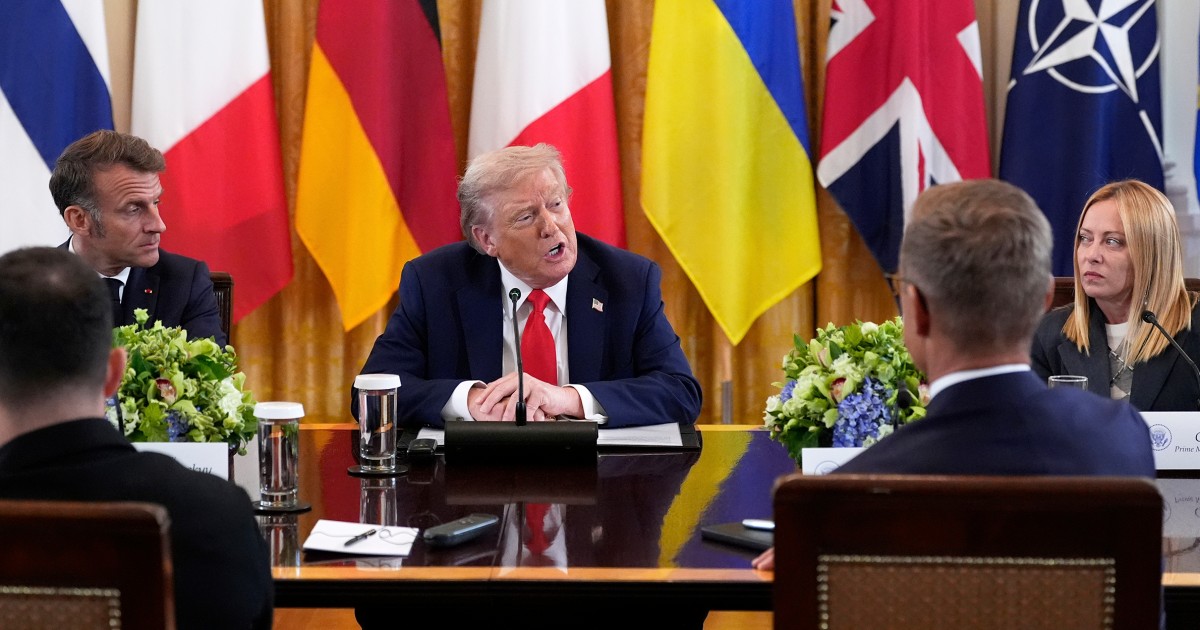
The United States has reached an agreement with the European Union to limit tariffs on pharmaceuticals, lumber, and semiconductors imported from the EU to 15%. This decision follows President Donald Trump's previous threats of imposing high tariffs on the European pharmaceutical and semiconductor industries. The tariffs are seen as a tax on imported goods, contributing to inflation and generating revenue for the U.S. government.
As part of the trade agreement, the U.S. plans to reduce tariffs on certain products such as natural resources, aircraft, generic pharmaceuticals, and chemical precursors to pre-January levels starting September 1. Ireland, a significant pharmaceutical exporter to the U.S., stands to benefit from this tariff reduction. The European Union is the largest trading partner of the United States.
The deal also includes commitments from the EU to purchase energy and artificial intelligence technology from the U.S. This includes buying liquefied natural gas, oil, nuclear energy products, and AI chips worth billions of dollars. European companies are expected to invest an additional $600 billion in strategic sectors in the U.S. by 2028.
President Trump has emphasized the importance of these commitments, framing them as firm agreements. However, the document outlining the deal specifies that they are expectations over the next three years. Trump has warned that any government failing to fulfill the promised investments or purchases will face higher tariffs. The EU's reciprocal tariff rate of 15% has already taken effect, with the U.S. planning to reduce auto tariffs on European imports in response to the EU lowering its industrial tariffs.
In conclusion, the agreement between the United States and the European Union to limit tariffs on key imports signifies a step towards strengthening trade relations between the two entities. The reduction in tariffs on pharmaceuticals, lumber, and semiconductors, along with commitments for energy and technology purchases, highlights the potential for increased economic cooperation and investment opportunities.