US Commitment to Security Guarantees for Ukraine: Strengthening European Engagement
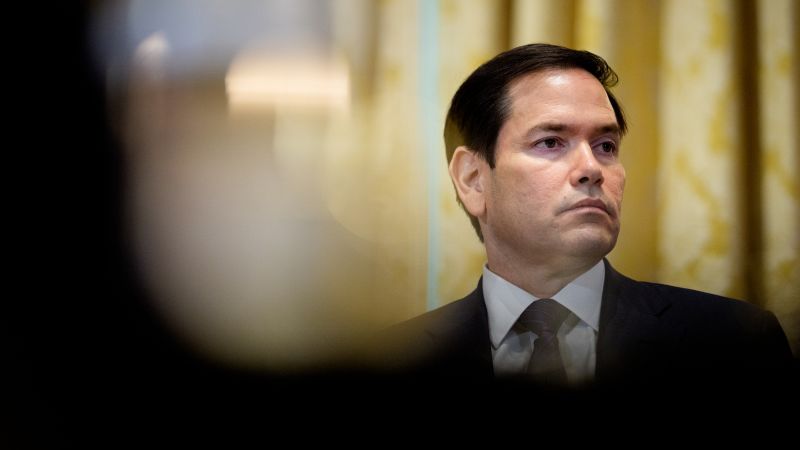
Secretary of State Marco Rubio assured European counterparts that the US would participate in post-war security guarantees for Ukraine, emphasizing that Europe should take the lead. Rubio, acting as President Donald Trump's national security adviser, discussed potential security commitments without providing specific details. The call aimed to bolster European engagement amid ongoing negotiations for a peace agreement between Ukraine and Russia. The US is open to limited involvement, such as manned air support missions, if a peace deal is reached, as indicated in discussions with allies.
European officials expressed interest in the US continuing to provide military intelligence and surveillance support. A recent call with national security advisers from NATO, the European Union, and key European nations highlighted the importance of US involvement in Ukraine's security. Following meetings between US military leaders and European defense chiefs, plans for security guarantees for Ukraine have gained momentum. Trump's commitment to US involvement in Ukraine's security has influenced ongoing discussions among allies regarding potential security measures.
Trump's recent meetings with Russian President Vladimir Putin and Ukrainian President Volodymyr Zelensky, along with key European leaders, have underscored the importance of security guarantees for Ukraine. While Europe is expected to be the primary defense line, the US has expressed willingness to provide support. Discussions have explored various options, including air support and surveillance missions, with a focus on enhancing Ukraine's security. The involvement of the US in security guarantees for Ukraine has prompted allies to reassess their commitments and roles in ensuring Ukraine's safety.
Zelensky emphasized the need for clarity on security guarantees from allies, with over 30 countries pledging support in various forms. The US commitment to participate in security guarantees has reassured European partners and encouraged broader cooperation. While some countries have expressed readiness to deploy troops, others have offered financial or economic support. The coordination of security guarantees by the US has alleviated uncertainty among European allies, with countries like Turkey stepping up to contribute to security efforts in the Black Sea region.
Despite initial discussions with Russian counterparts, Moscow's stance on security guarantees for Ukraine remains unclear. Russian Foreign Minister Sergey Lavrov emphasized the importance of including Russia and potentially China in any security agreement. Moscow's insistence on having a veto over security guarantees poses a challenge to negotiations, as Kyiv seeks assurances without external interference. The evolving dynamics of security discussions underscore the complexities of ensuring Ukraine's safety and stability in the post-war landscape.