Supreme Court Upholds Trump Administration's Cuts to Research Funding: Implications for Public Health and Scientific Progress
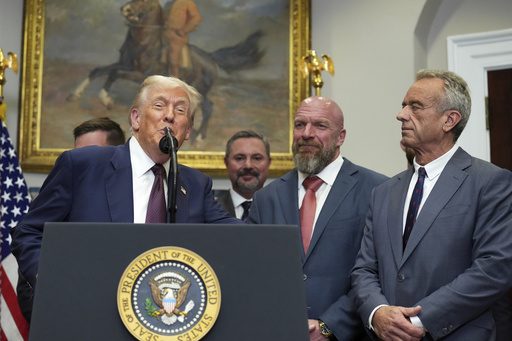
The Supreme Court has ruled in favor of the Trump administration's decision to cut federal funding for diversity, equity, and inclusion efforts, allowing the National Institutes of Health to slash $783 million in research funding. Chief Justice John Roberts and three liberal justices opposed the decision, but the majority upheld the cuts. This ruling marks a victory for the Trump administration, enabling them to proceed with canceling numerous grants while the lawsuit unfolds.
The plaintiffs, including states and public-health advocacy groups, have raised concerns about the detrimental impact of these funding cuts on public health and human life. The Justice Department argues that funding decisions should not be subject to judicial review and that diversity, equity, and inclusion efforts can mask racial discrimination. The lawsuit focuses on a portion of the $12 billion in NIH research projects that have been affected by the cuts.
The Trump administration has also challenged other instances where judges have blocked funding cuts, arguing that these cases should be handled by federal claims court. However, the plaintiffs contend that research grants are distinct from teacher-training contracts and should not be redirected to claims court. They emphasize the potential harm caused by halting studies midway and disrupting scientists' work, ultimately impeding scientific progress and breakthroughs.
U.S. District Judge William Young in Massachusetts previously ruled that the abrupt cancellations of research grants were arbitrary and discriminatory. He expressed shock at the government's actions, highlighting the impact on ongoing research and the scientific community. Despite the appeals court upholding Young's ruling, the Supreme Court's decision allows the Trump administration to proceed with its funding cuts.
In conclusion, the Supreme Court's decision to uphold the Trump administration's cuts to research funding for diversity, equity, and inclusion efforts has significant implications for public health and scientific progress. The ongoing legal battle underscores the challenges faced by researchers and advocates in maintaining critical research projects amid funding uncertainties.