Legal and Environmental Challenges Surrounding Alligator Alcatraz: A Ruling to Halt Construction and Detainee Transfers
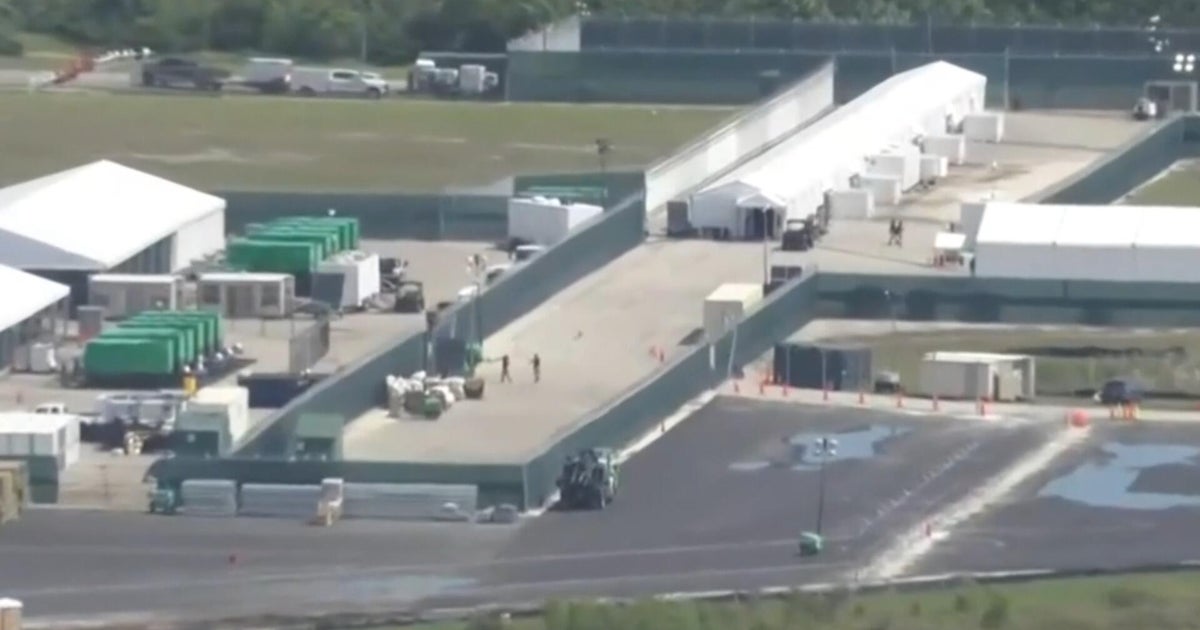
A federal judge has issued a ruling to halt new construction at an immigration detention facility in Florida known as "Alligator Alcatraz" due to concerns about its impact on the Everglades and wildlife. The judge also prohibited the transfer of new detainees to the site, preventing the expansion of the detention center. Despite this, existing structures can still be used to detain immigrants suspected of being in the U.S. illegally.
The facility, located on an abandoned airfield, was intended to be a detention center for immigrants facing deportation. However, environmental groups, including the Miccosukee tribe, raised concerns about the lack of environmental reviews prior to its establishment. The lawsuit challenging the operations at Alligator Alcatraz focused on the environmental impact of the facility.
The ruling by U.S. District Court Judge Kathleen Williams represents a setback for Florida's state government, which has been supportive of the Trump administration's immigration policies. The decision to halt new construction and detainee transfers reflects the court's recognition of the environmental concerns raised by the plaintiffs.
The legal battle over the rights of detainees at the Everglades facility is ongoing, with a separate lawsuit addressing issues such as access to legal consultations. While some aspects of the case have been dismissed, the court has allowed certain claims to proceed, underscoring the complexity of the legal challenges surrounding Alligator Alcatraz.
In conclusion, the ruling to halt new construction and detainee transfers at the Alligator Alcatraz immigration detention facility in Florida highlights the ongoing legal and environmental concerns surrounding the site. The decision reflects the court's recognition of the need to address environmental impacts and protect the Everglades ecosystem while ensuring the rights of detainees are upheld.