USCIS Guidelines on Anti-American Views in Immigration Vetting: Strengthening America's Immigration Policies
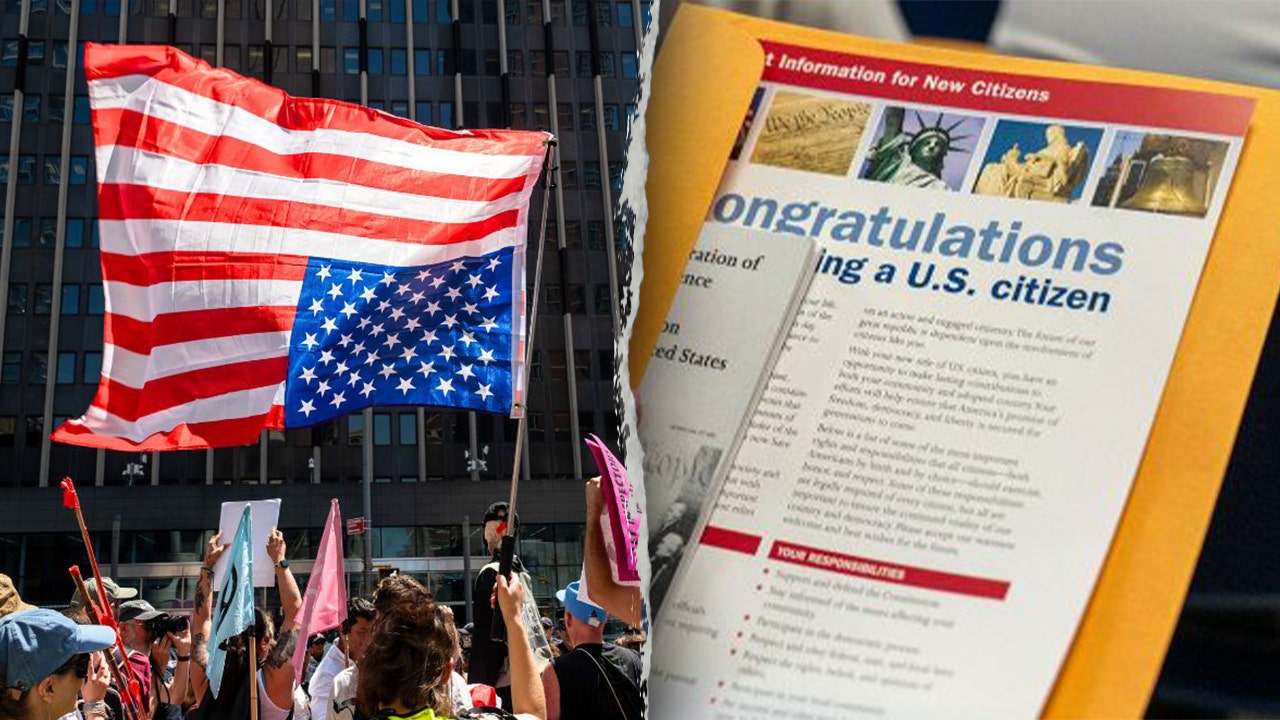
The U.S. government has issued new guidelines for vetting immigrants seeking legal residency in the country. The policy instructs officials to assess applicants for any "anti-American," terrorist, or antisemitic views. This directive is part of President Donald Trump's broader immigration crackdown and gives USCIS officers the authority to consider such views as negative factors when deciding on green cards, visas, or citizenship applications.
According to USCIS spokesperson Matthew Tragesser, the aim is to ensure that America's benefits are not granted to individuals who hold anti-American sentiments or promote ideologies that are against the country. USCIS is committed to implementing policies that identify and eliminate anti-Americanism and strengthen the vetting process. Immigration benefits, such as the right to live and work in the U.S., are viewed as privileges, not entitlements.
While the specific definition of "anti-Americanism" was not provided, USCIS referred to the Immigration and Nationality Act, which prohibits individuals associated with terrorism, antisemitism, or "world communism" from obtaining citizenship. Officers will consider whether applicants' requests align with existing laws and policies when conducting discretionary analyses.
This new policy is part of a series of immigration measures introduced during Trump's second term, including enhanced social media screening and a stricter standard for assessing "good moral character" for naturalization. USCIS stated that reviews of anti-American activities will now be integrated into social media screenings, signaling a tougher stance on anti-Americanism and antisemitism in immigration decisions.
Elizabeth Jacobs from the Center for Immigration Studies noted that the U.S. government is becoming less tolerant of anti-Americanism and antisemitism in immigration determinations. While the government is providing clearer guidelines for officers to consider negative factors, discretion remains a key factor in decision-making. However, critics like Ruby Robinson from the Michigan Immigrant Rights Center argue that constitutional rights apply to all individuals in the U.S., regardless of their immigration status, and anticipate legal challenges to the policy.
David J. Bier from the Cato Institute cautioned that the policy could potentially be used to suppress dissent and target political adversaries. Despite concerns raised by critics, Jonathan Grode from Green and Spiegel immigration law firm believes that the administration is acting within its authority and aligning with Trump's immigration approach. The policy reflects the administration's goal to narrow the scope of immigration rules and enforce existing laws.
In conclusion, the new guidelines for vetting immigrants based on their views on America, terrorism, and antisemitism are part of the Trump administration's efforts to strengthen immigration policies. While some support the stricter approach, others raise concerns about potential violations of constitutional rights and the use of the policy to target specific groups. The impact of these guidelines on immigration decisions and the legal challenges they may face remain to be seen.