Reality Check: Examining the Fallout of Trump's Militarization of Washington, D.C.
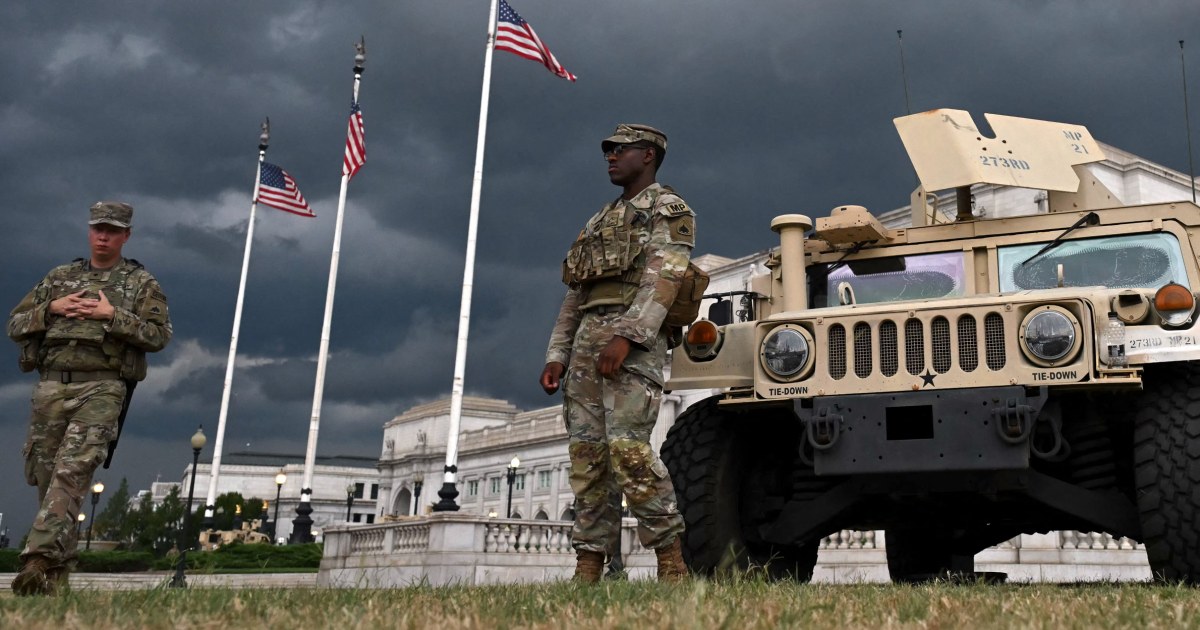
In the aftermath of Donald Trump's decision to deploy National Guard troops and federalize local police in Washington, D.C., the president has expressed satisfaction with the outcome of his actions. Trump has touted the militarization of the nation's capital as a resounding success, claiming that it has revitalized the city and attracted more people. He even cited increased restaurant activity as evidence of his achievement, despite reports indicating a starkly different reality.
Contrary to Trump's assertions, local business owners have reported a significant decline in reservations and foot traffic, with many expressing fear and concern about the current situation in the city. Data from local media outlets also show a notable drop in restaurant reservations following the federal takeover of law enforcement. Despite the president's rosy portrayal of the situation, the actual economic and social impact on the community paints a starkly different picture.
While some may argue that the potential benefits of increased safety justify the authoritarian measures taken by Trump, the available crime data for D.C. does not support this claim. The marginal differences in crime rates before and after the federal intervention suggest that the militarization of the city has not had a significant impact on public safety. In light of these findings, it becomes clear that Trump's actions have not only failed to deliver the promised results but have also generated widespread discontent among local residents.
In conclusion, Trump's attempt to portray the militarization of Washington, D.C., as a success is undermined by the stark reality on the ground. The negative impact on the local economy, coupled with minimal improvements in crime rates, highlights the questionable effectiveness of the president's actions. Rather than a triumph, the federal takeover of law enforcement in the nation's capital appears to be yet another misstep in a series of controversial decisions.