Challenges of USCIS's New 'Good Moral Character' Guidelines for Naturalization
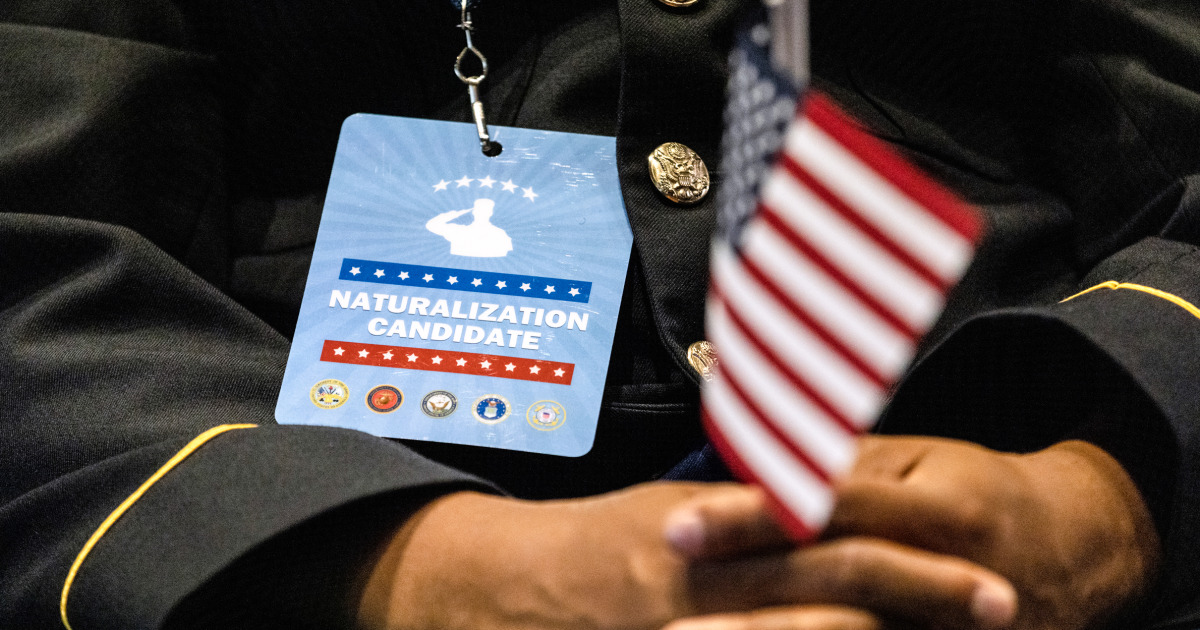
The recent announcement from U.S. Citizenship and Immigration Services regarding a heightened focus on applicants' "good moral character" raises concerns for various reasons. This move aligns with previous efforts by the Trump administration to restrict immigration and increase deportations. The idea of having one's character evaluated by an administration led by President Donald Trump is unsettling, considering his controversial track record.
The USCIS memo emphasized the importance of a rigorous evaluation of applicants' moral character for naturalization. While demonstrating good moral character has always been a requirement for citizenship, the new guidelines suggest a more comprehensive assessment beyond just staying out of trouble. This raises questions about how individuals can prove their worthiness, especially in the current political climate.
The ambiguity surrounding the definition of good moral character under the new guidelines could make it challenging for noncitizens to establish legal belonging in the U.S. USCIS officers are now tasked with evaluating subjective criteria like community involvement, achievements, and financial responsibility, rather than just the absence of misconduct. This shift in focus could potentially impact the naturalization process for many applicants.
The statement from USCIS spokesman Matthew J. Tragesser reiterated the agency's commitment to granting citizenship to the "world's best of the best." However, given Trump's controversial views on immigration and citizenship, there are concerns about the potential bias in determining who qualifies as the best candidates for citizenship. The emphasis on certain criteria could lead to a more homogenous selection process that does not reflect the diversity of the United States.
The directive to evaluate applicants' worthiness for citizenship based on subjective criteria raises red flags, especially in light of past incidents where individuals were targeted for expressing dissenting views. Citizenship should not be contingent on political alignment or criticism of U.S. policies. The memo's conclusion underscores the need for a fair and inclusive naturalization process that upholds the values of democracy and freedom of expression.