Voices of Veterans: Insights from the Afghanistan War Commission
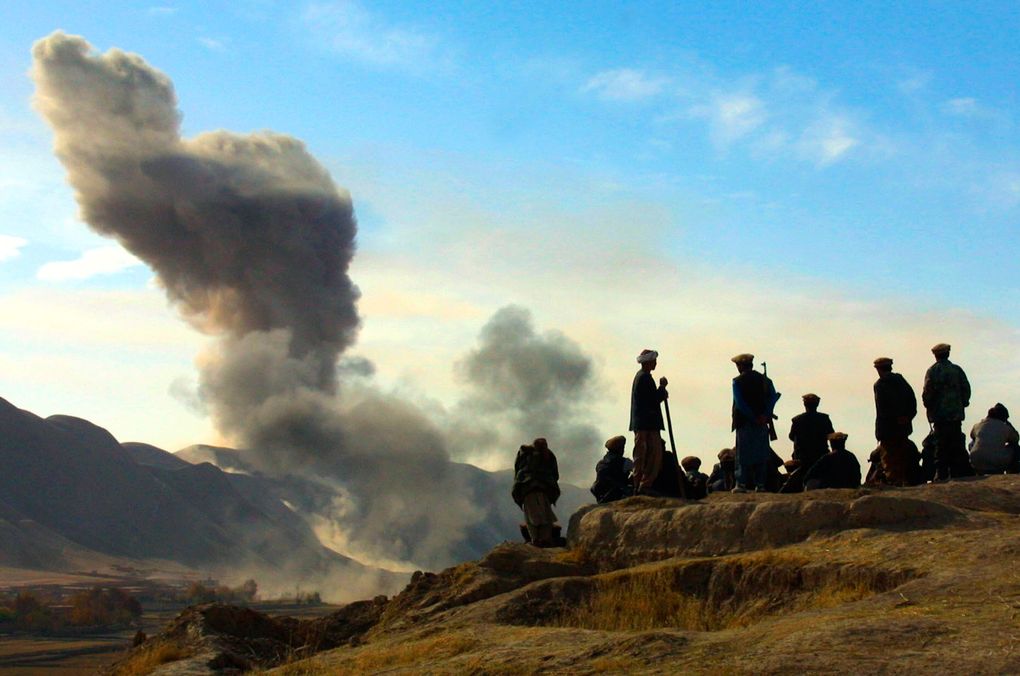
U.S. veterans of the Afghanistan War are sharing their harrowing and disheartening experiences with a bipartisan commission tasked with evaluating decisions made during the 20-year conflict. The commission, known as the Afghanistan War Commission, is set to deliver a comprehensive report to Congress next year, analyzing key strategic, diplomatic, military, and operational choices made from June 2001 to the tumultuous withdrawal in August 2021.
The commission recently released its second interim report, highlighting themes gleaned from extensive research, including government documents, interviews with high-ranking officials, and discussions with veterans. At a recent event in Columbus, Ohio, veterans recounted their personal stories, with many expressing frustration and disappointment rather than positive sentiments about their time in Afghanistan.
The creation of the independent commission was spurred by members of Congress, some of whom had served in the war, following the chaotic withdrawal in 2021. The commission aims to provide a comprehensive understanding of a conflict that spanned multiple presidential administrations and resulted in the loss of over 2,400 American lives.
Co-Chair Dr. Colin Jackson emphasized the commission's focus on examining the entirety of U.S. engagement in Afghanistan, from its inception to its conclusion. The panel is also exploring broader questions about U.S. national security interests and the values that should guide American actions in foreign countries.
The commission's goal is to ensure that the final report, scheduled for release in August 2026, accurately reflects the experiences of all veterans who served in Afghanistan. Veterans like Marine Brittany Dymond and Army veteran Steve Orf have highlighted the challenges of imposing a democratic agenda on a culture that may not align with American ideals, leading to disillusionment and broken trust among service members.
The commission's recent report outlines key themes, including strategic drift, interagency incoherence, and the alignment of objectives between the war in Afghanistan and counterterrorism efforts. The commission faced challenges in obtaining crucial documents, initially encountering resistance from the Biden administration but eventually gaining access to critical intelligence and materials.
In conclusion, the Afghanistan War Commission is dedicated to providing a comprehensive analysis of the decisions and actions taken during the 20-year conflict in Afghanistan. By incorporating the voices and experiences of veterans, the commission aims to shed light on the complexities and challenges faced during the war, ultimately contributing to a better understanding of U.S. engagement in conflict zones.