Unemployment Challenges in Washington, D.C.: Federal Layoffs and Tourism Decline
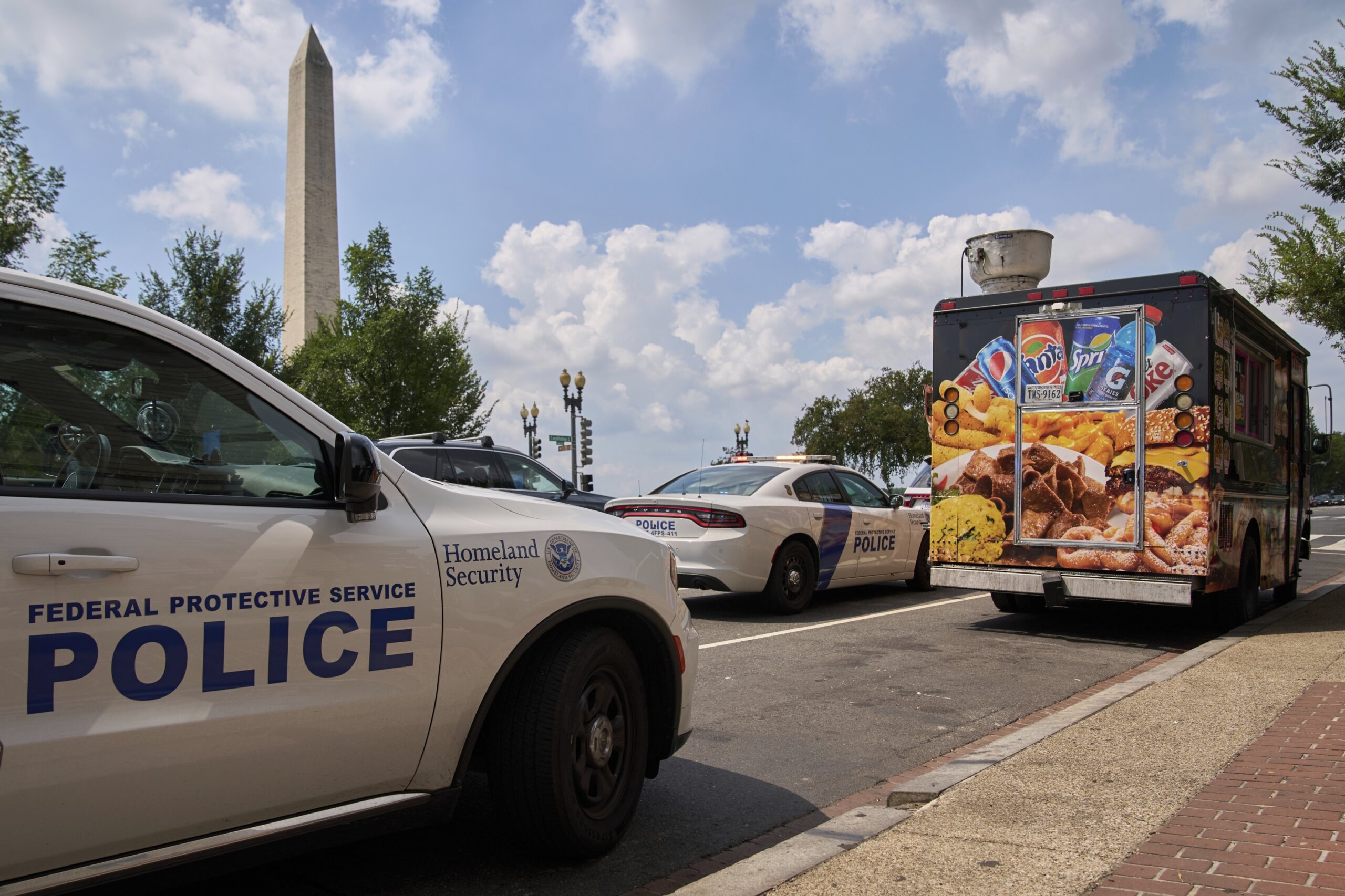
Washington, D.C., has maintained the highest seasonally adjusted unemployment rate in the country for the third consecutive month, standing at 6% in July. This increase is attributed to the significant layoffs of federal workers initiated by President Donald Trump's Department of Government Efficiency earlier this year. The decline in international tourism, a key revenue source for D.C., is also expected to contribute to the rising unemployment rate in the District.
The neighboring states of Maryland and Virginia also experienced slight upticks in their unemployment rates in July. Maryland's rate rose to 3.4% from 3.3%, while Virginia's rate increased to 3.6% from 3.5%, according to state-specific jobless data. Federal workers across various government agencies have been affected by layoffs or voluntary resignations since the start of Trump's second term, leading to legal challenges from labor unions and advocacy groups.
Despite concerns about the potential loss of critical government services and the displacement of hundreds of thousands of federal employees, the Supreme Court recently approved the Trump administration's plans to further downsize the federal workforce. The D.C. Office of Revenue Analysis reported a steady increase in unemployment payments to affected federal workers, with payments rising from $2.01 million in April to $2.57 million in June.
The DC Fiscal Policy Institute warns that the layoffs of federal workers could worsen D.C.'s Black-white unemployment disparity. The national unemployment rate, as reported by the Bureau of Labor Statistics, is 4.2%, with South Dakota recording the lowest jobless rate in July at 1.9%. Additionally, international tourism to the U.S. is declining due to various factors, including dissatisfaction with Trump's policies and reports of tourists facing legal issues at the border.
The World Travel & Tourism Council projects a significant decrease in international visitor spending in the U.S. this year, dropping to just under $169 billion from $181 billion in 2024. This represents a 22.5% decline compared to the previous peak. In response to rising crime rates, President Trump and several GOP governors have deployed National Guard troops to D.C. to enhance law enforcement and immigration enforcement efforts, resulting in a reported decrease in crime in the city.
In conclusion, Washington, D.C., continues to grapple with a high unemployment rate, driven by federal worker layoffs and a decline in international tourism. The impact of these factors on the local economy underscores the challenges faced by the District in maintaining economic stability and addressing disparities in unemployment rates.