Stargazers' Delight: Witness the Rare Black Moon Phenomenon This Weekend
This weekend, a special astronomical event is set to occur with the arrival of a "black moon." The black moon is a rare phenomenon that occurs every 33 months and is characterized by being the third new moon in a season of four new moons. While the black moon itself is not visible in the sky, its occurrence marks a great night for stargazing.
The upcoming black moon is scheduled to take place at 2:06 a.m. EDT on Saturday, August 23. During a new moon phase, the moon is positioned between Earth and the sun, rendering its surface invisible from our vantage point on Earth. The term "black moon" is used to describe this unique event, which is the opposite of a blue moon and occurs approximately once every 33 months.
There are two types of black moons: monthly black moons and seasonal black moons. A monthly black moon happens when there are two new moons in a single calendar month, with the second one being referred to as the black moon. On the other hand, a seasonal black moon is the third new moon in a season of four new moons, occurring shortly after a solstice or equinox. This weekend's black moon falls into the latter category, making it a rare celestial occurrence.
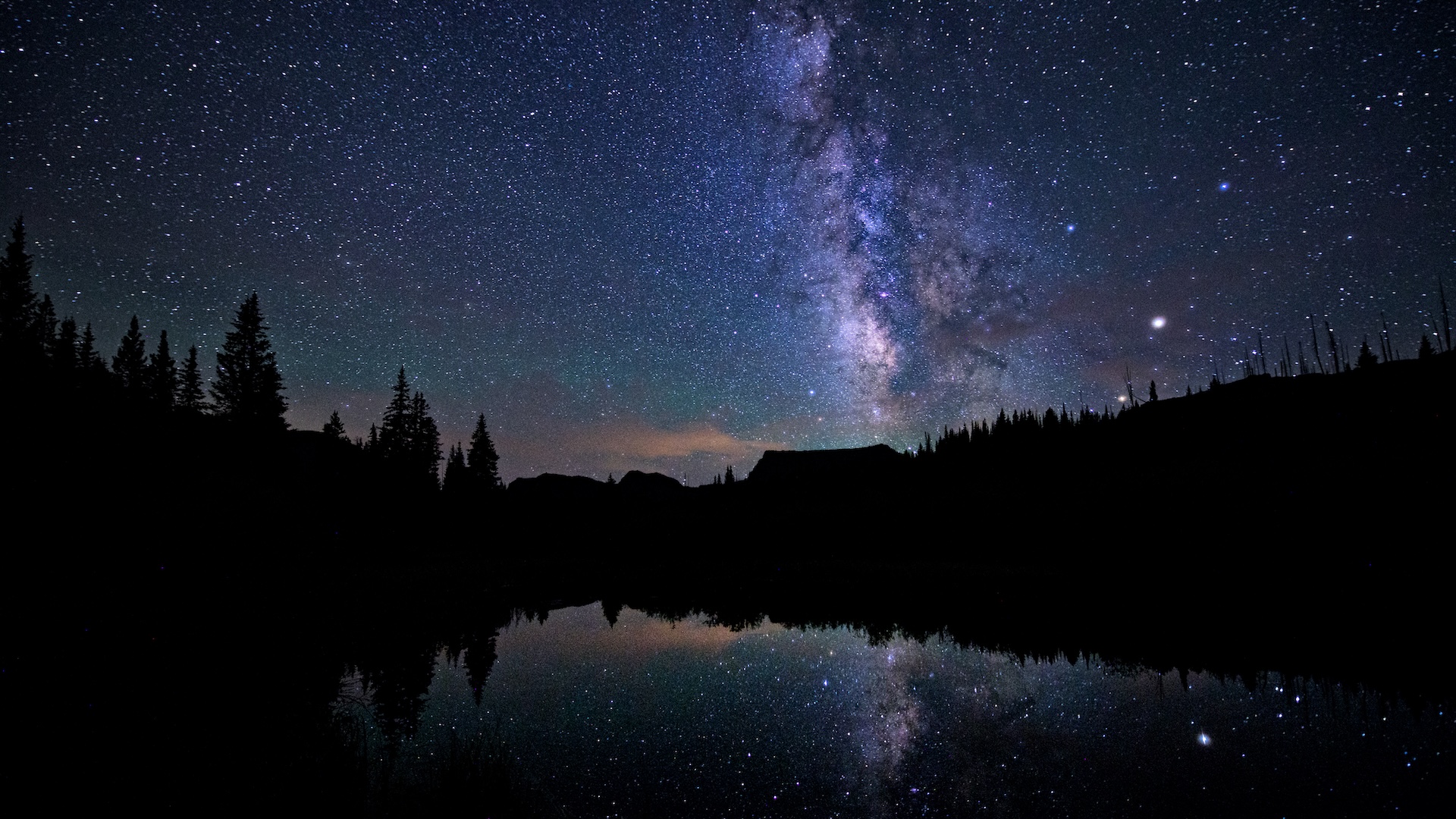
While the black moon itself cannot be seen, its timing provides an excellent opportunity for stargazers to enjoy a moonless night sky. This is particularly advantageous for observing the summer stars and the Milky Way, especially from locations free of light pollution. The black moon night offers a chance to witness the Milky Way at its best, with the Summer Triangle stars Vega, Deneb, and Altair serving as helpful guides to locate the galaxy's arc overhead.
In conclusion, the black moon on Saturday presents a unique celestial event that offers stargazers a prime opportunity to enjoy the beauty of the summer night sky. Take advantage of this moonless night to witness the Milky Way in all its glory and appreciate the wonders of the universe above.