Federal Intervention in Washington: Impact on Columbia Heights and Beyond
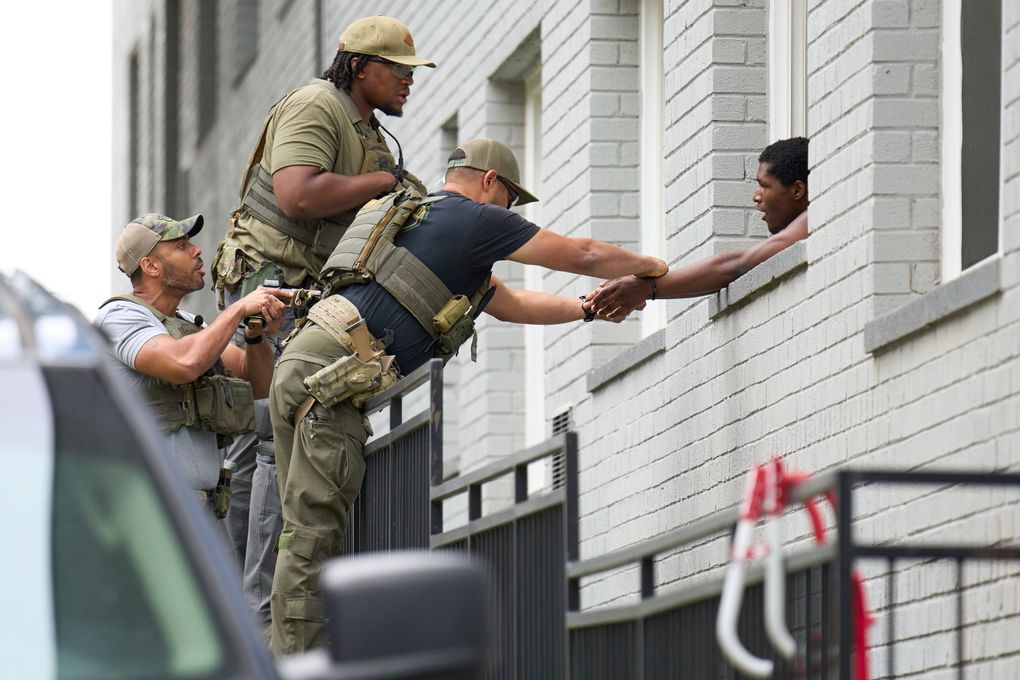
The bustling streets of Washington’s Columbia Heights neighborhood have been noticeably quieter lately, with fewer vendors and customers present. President Donald Trump’s decision to deploy federal law enforcement and immigration agents in the city has had a significant impact on daily life in diverse neighborhoods like Columbia Heights. While the focus has been on troop deployments in downtown areas, the effects are felt throughout the city.
The White House has touted the crackdown for leading to hundreds of arrests, but local officials have criticized the intervention in the city’s affairs. The top federal prosecutor in D.C. has launched an investigation into potential falsification of crime data by police officials, which could support Trump’s claims of a “crime emergency” in the city. The presence of federal agents and law enforcement has been visible in various neighborhoods, including stops of individuals like a moped driver delivering pizza.
The Trump administration’s increased immigration enforcement and executive order to put the police department under federal control have stirred controversy. The White House press secretary emphasized Trump’s commitment to the safety of law-abiding citizens. Federal agencies like ICE, FBI, Homeland Security, and U.S. Marshals have been active in the city, conducting arrests and operations in different neighborhoods.
Trump’s efforts to ramp up pressure in the city have led to requests for additional National Guard troops from Republican-led states. Some states have agreed to deploy troops to Washington, raising concerns about the implications of such actions. Democratic lawmakers have introduced bills to scrutinize the cost and legal basis of National Guard deployments unrelated to natural disasters. The resistance to Trump’s moves is growing both on the streets and in Congress.
The impact of the federal intervention on crime rates in Washington remains uncertain. While there has been a slight decrease in reported crimes, it is too early to draw definitive conclusions. Crime analysts caution against hasty assessments, noting that a month-long period of federal control over the police department may not be sufficient to gauge the effectiveness of the measures. Trump’s claims of transforming Washington into a safer city are met with skepticism by experts who stress the need for more comprehensive data analysis.
In conclusion, the deployment of federal law enforcement and immigration agents in Washington has sparked debate and raised concerns about the implications for local communities. The impact on crime rates and the effectiveness of the measures remain uncertain, with ongoing scrutiny from lawmakers and experts. The broader implications of Trump’s actions in the city are being closely monitored as the debate over federal intervention continues.