Debate Over Juvenile Crime Laws in Washington, DC: Trump and Pirro Call for Stricter Measures
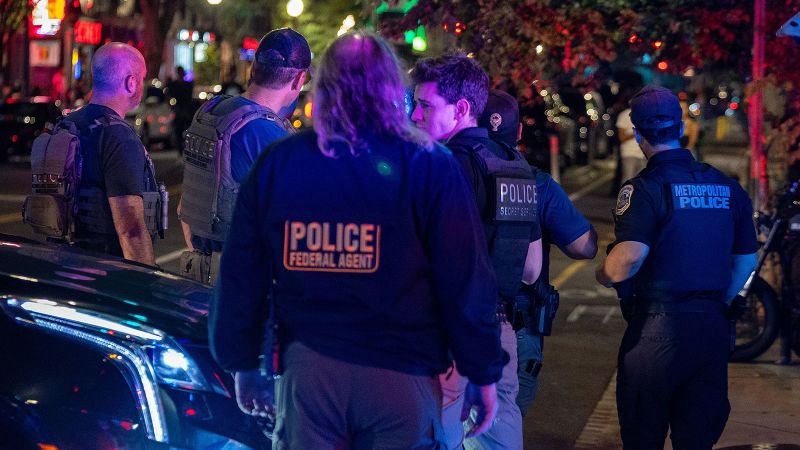
Washington, DC has seen a surge in youth arrests, with President Trump and his allies blaming the city's juvenile crime laws for allowing violent offenders to go unpunished. Trump called for changes to the law to prosecute minors as adults starting at age 14, citing recent attacks by young individuals. The criticism from Trump and US Attorney Jeanine Pirro has brought attention to the divide between the US attorney's office and the DC attorney general's office, which handles juvenile offenses.
Current laws in DC do not allow offenders under 15 to be prosecuted as adults in most cases, but those under 18 can end up in the adult justice system under certain circumstances. The US attorney's office can charge 16 and 17-year-olds as adults for serious crimes, while the attorney general's office can petition to charge offenders 15 and up as adults if they are deemed unlikely to be rehabilitated in the juvenile system. The attorney general's office defended its prosecution rates for violent juvenile offenses, emphasizing accountability for harm caused by young individuals.
US Attorney Pirro has targeted three laws for change, including the 2018 Youth Rehabilitation Act, which raised the age limit for juvenile offenders and allows for sealed convictions. She also criticized the 2021 Incarceration Reduction Amendment Act, which permits sentencing reductions for offenders convicted before age 25. Pirro argued that violent offenders should be treated as criminals and not receive leniency based on age. She also raised concerns about the 2022 Second Chance Amendment Act, which allows for the sealing or expungement of certain criminal convictions.
Some experts and officials believe that Trump and Pirro's approach to juvenile justice in DC is outdated and fails to consider the complexities of the system. They argue that the district should have the autonomy to make decisions about how to handle young offenders and emphasize the importance of rehabilitation and age-appropriate interventions. DC Councilmember Christina Henderson expressed the need for a nuanced approach to addressing youth crime, highlighting the importance of understanding the unique challenges faced by young individuals in the justice system.
In conclusion, the debate over juvenile crime laws in Washington, DC has intensified as President Trump and US Attorney Pirro call for stricter measures to address youth violence. The divide between the US attorney's office and the DC attorney general's office underscores the complexity of juvenile justice issues in the district. While some advocate for tougher penalties for young offenders, others emphasize the importance of rehabilitation and individualized approaches to addressing youth crime. The ongoing discussion highlights the need for a balanced and informed approach to juvenile justice that considers the best interests of both young offenders and the community.