Ensuring Student Safety: The Most Dangerous College Towns in America for 2025
As the new academic year begins, safety is a primary concern for students and parents. A recent study has identified the most dangerous college towns in America for 2025, highlighting the importance of student safety on and off campus. Former U.S. Secret Service agent Bobby McDonald emphasizes the significance of proactive safety measures to prevent potential risks.
The rankings of the "Most Dangerous College Towns" for 2025 were compiled based on a thorough analysis of crime data from the FBI and local police departments over a two-year period. The study assessed various types of crimes per 10,000 residents in 26 college towns to provide a fair comparison across different community sizes.
Gainesville tops the list with the highest reported crimes per capita, primarily due to property crimes and theft in the surrounding areas. The city's vibrant nightlife and large student population create opportunities for criminal activities, making it essential for students to prioritize safety measures.
Tuscaloosa, home to the University of Alabama, ranks second in the study, with a significant number of crimes related to nightlife activities and opportunistic incidents targeting students and visitors. Tempe follows closely, driven by its dense student population and active party scene, leading to property crimes being among the most reported offenses.
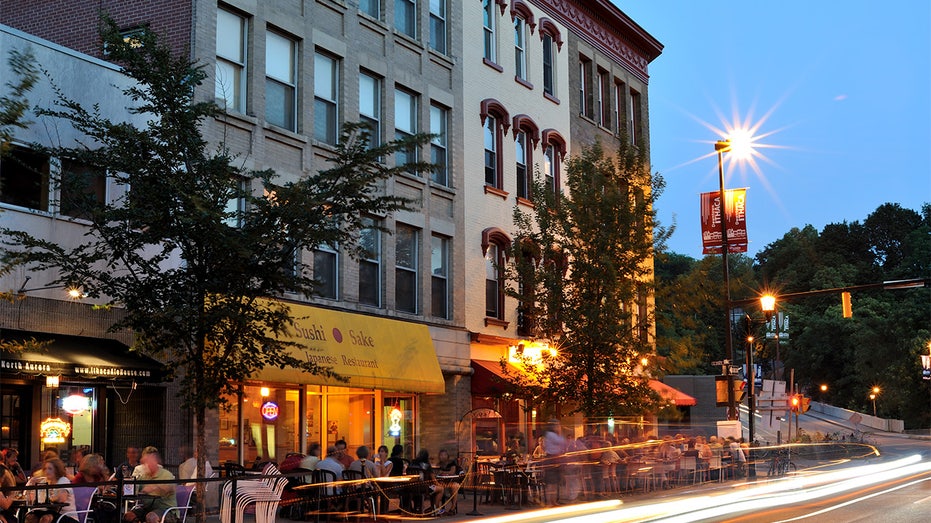
New Haven, despite Yale University's campus security investments, faces challenges with higher levels of violent crime in nearby neighborhoods. Ithaca's small-town charm contrasts with its property crime rate, emphasizing the importance of securing residences and vehicles to prevent thefts.
Logan, Iowa City, Cedar City, East Lansing, and Bloomington also feature in the list of most dangerous college towns, each facing unique safety challenges related to property crimes, alcohol use, and occasional violent offenses. McDonald advises students to adopt safety habits and make informed decisions to protect themselves from potential risks.
In conclusion, the study sheds light on the importance of student safety in college towns and underscores the need for proactive measures to mitigate risks and ensure a secure environment for students both on and off campus. By being vigilant, making informed decisions, and utilizing available resources, students can enhance their safety and well-being in their academic pursuits.